virtual instruments
15 award-winning products built be as cinematic as the films they support
problem
For every film, game, or television production, composers must build a complex library of custom sonic tools from scratch, a process that could take weeks before a single note was written. The instruments available were either too generic to serve serious scoring work or too technical to serve the creative flow. There was no product that married the signature sound of feature film composition with a toolset expressive and responsive enough to feel like a genuine creative collaborator.
solution
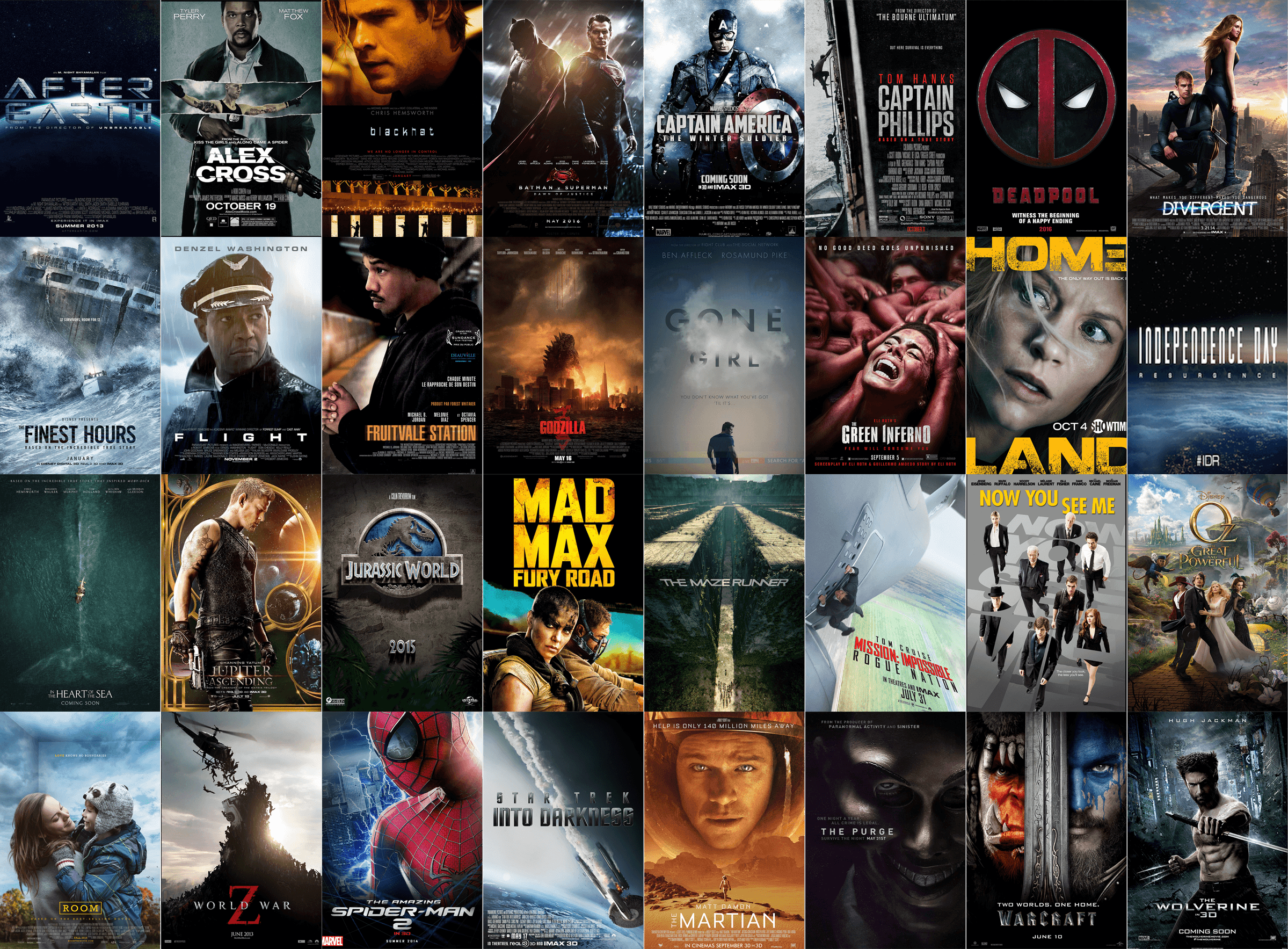
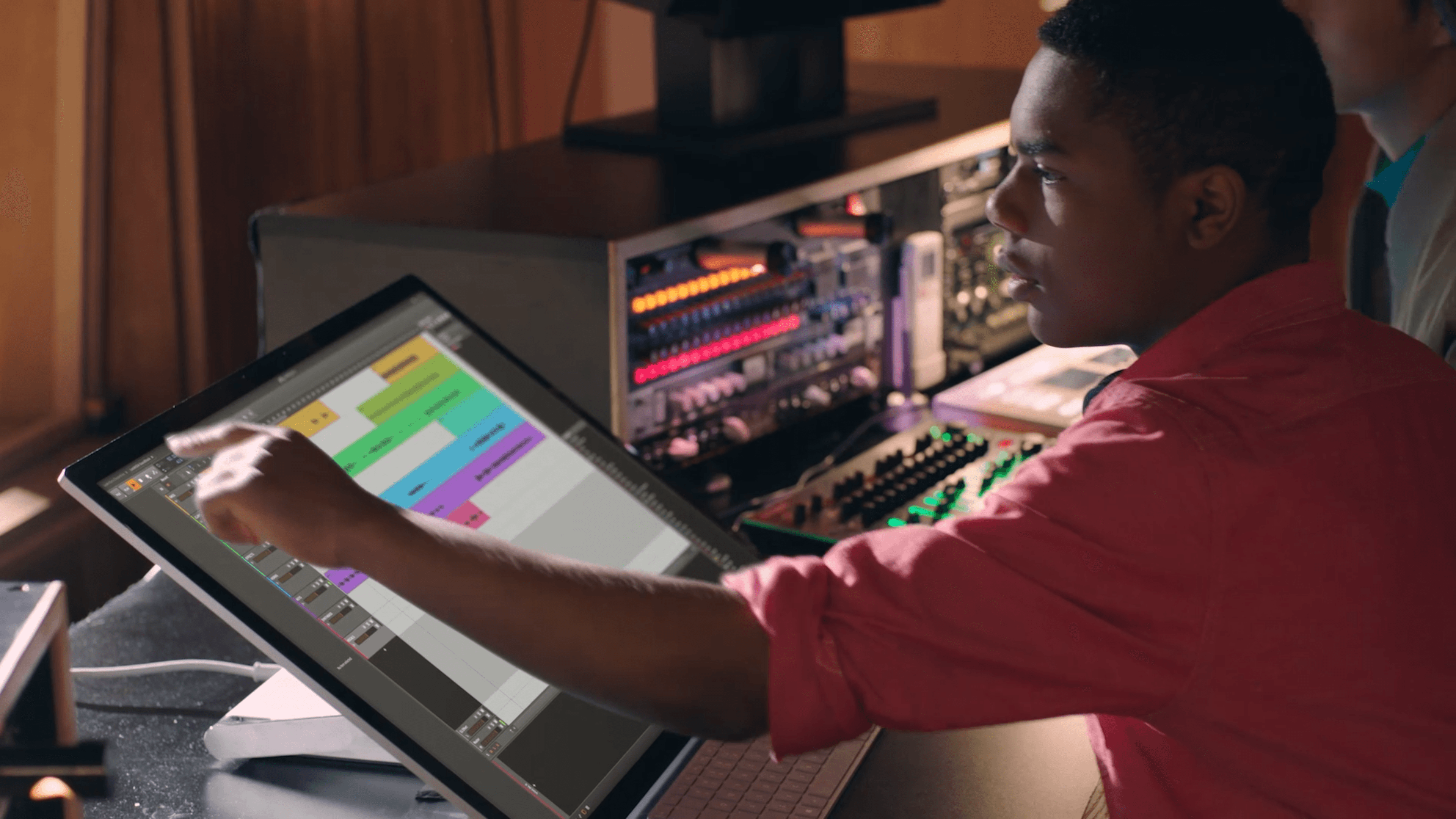
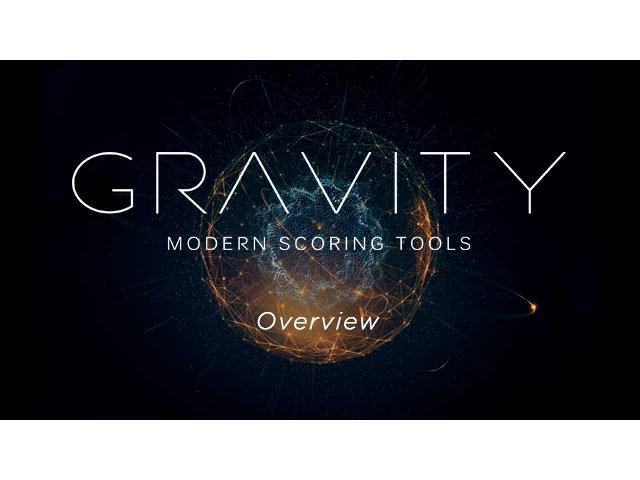
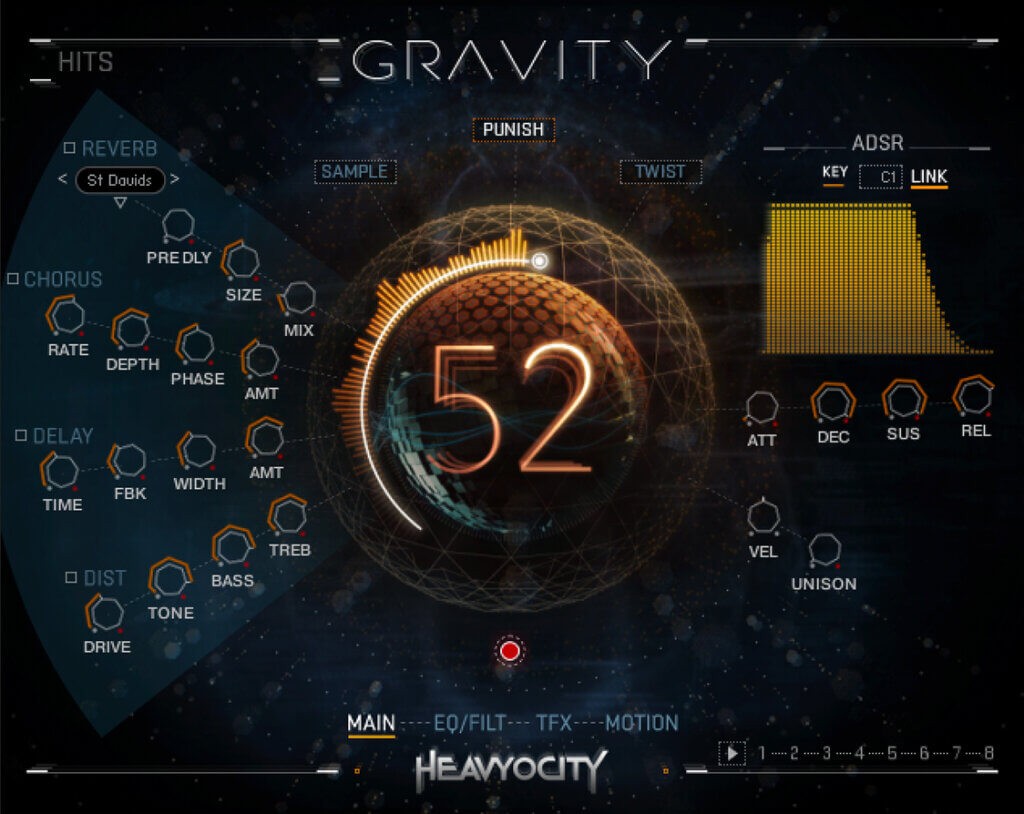
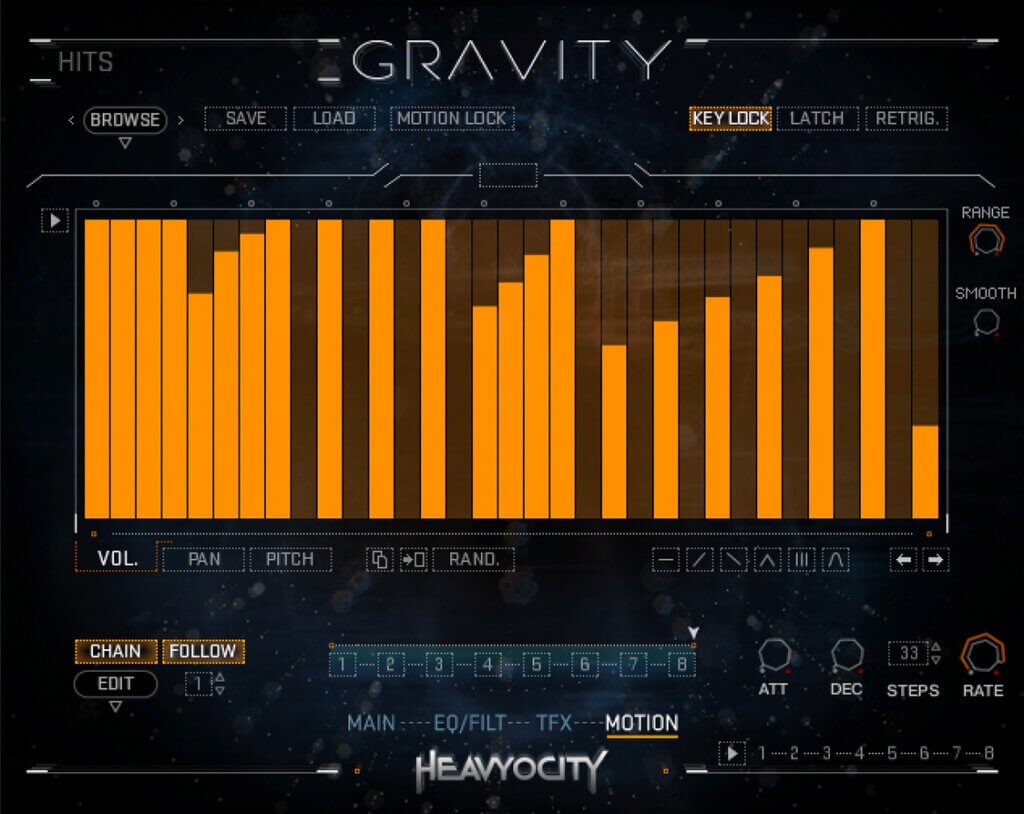
I led design and production at Heavyocity across fifteen award-winning products over four years, bringing software development discipline from game development into a startup environment and expanding the user base by over 400%. The flagship product, GRAVITY, partnered with boutique design firm Perception, known for on-screen interfaces in Marvel and DC films, to create the first virtual instrument of its kind, one that felt organic, responsive, and intelligent enough that composers felt they were collaborating with a sentient technology rather than operating a tool. Products were used by composers including Hans Zimmer, Danny Elfman, and Ramin Djawadi, and heard in nearly every major film trailer released in the year after launch.
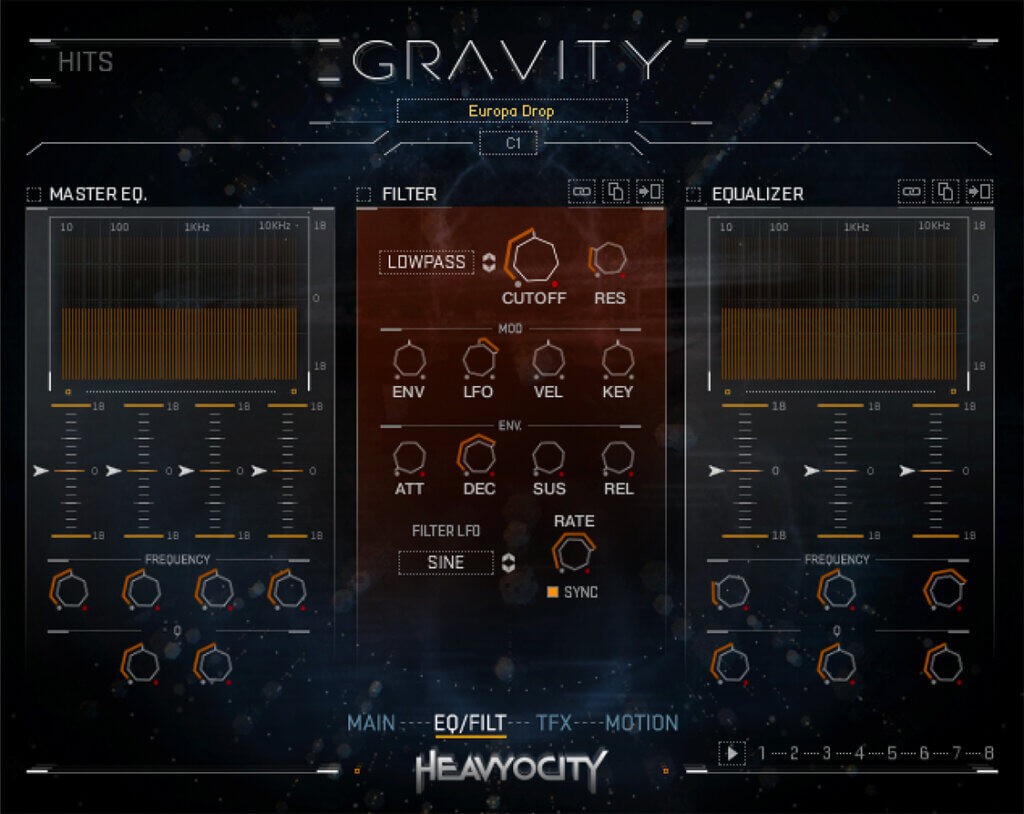
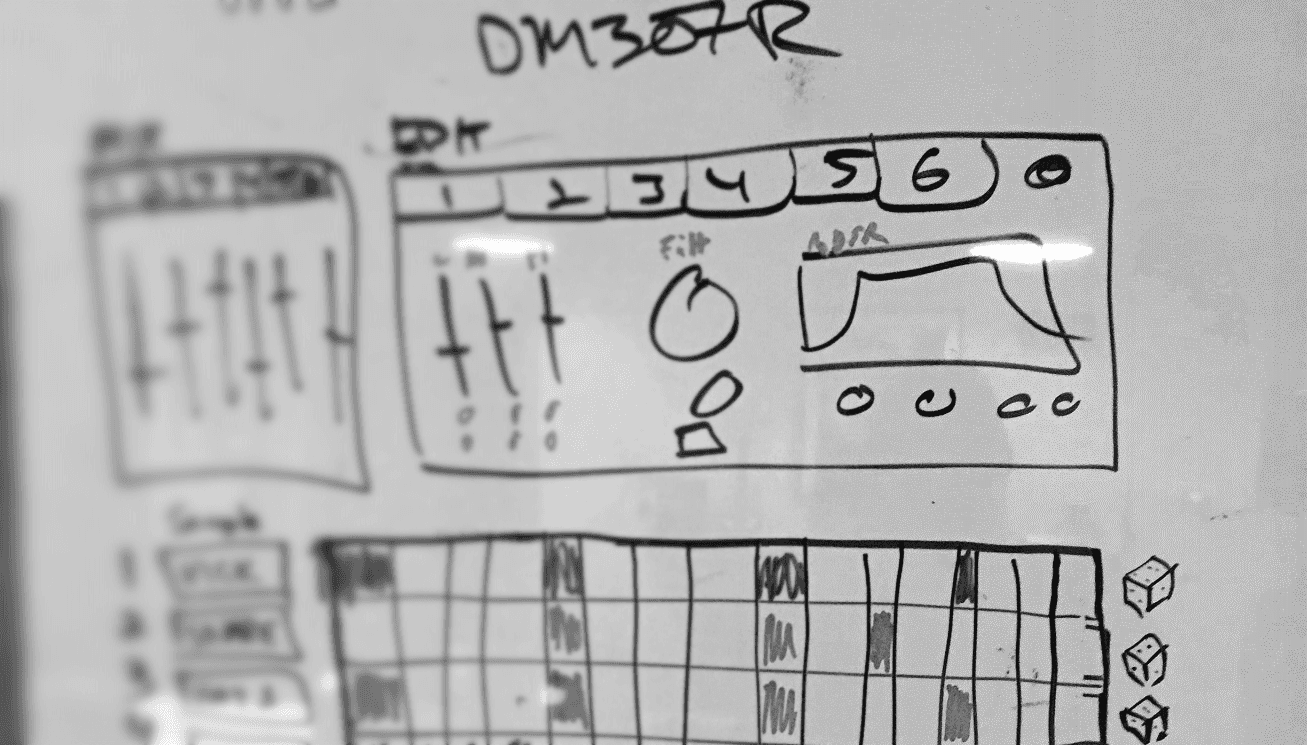
I ran the entire product development cycle from ideation through ship, directing UI and UX designers, engineers, and sound designers across all fifteen products. For GRAVITY specifically, I defined the interaction vision, wrote the creative briefs, established UX patterns, and managed the full engagement with Perception end to end, delivering on time and under budget. I also stayed close to the work as my own customer, using Heavyocity instruments to score blockbuster advertising campaigns including Star Wars, Mad Max, and Godzilla, which gave me direct validation of our product goals and kept me connected to the pulse of the industry we were building for.
Composers like Hans Zimmer and Danny Elfman were spending weeks assembling their tools before they could begin writing. We decided to build them something better.
CASE STUDY: CREATING GRAVITY
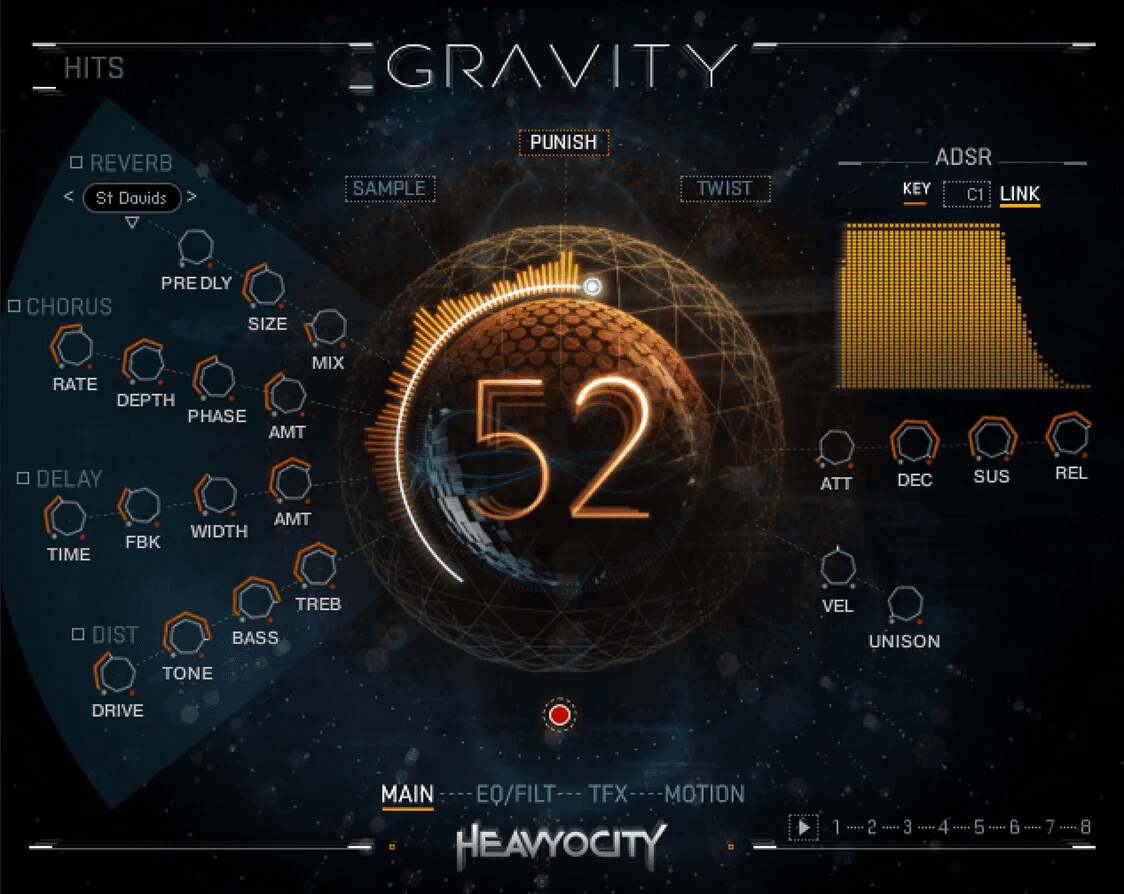
We started with the people, not the product.
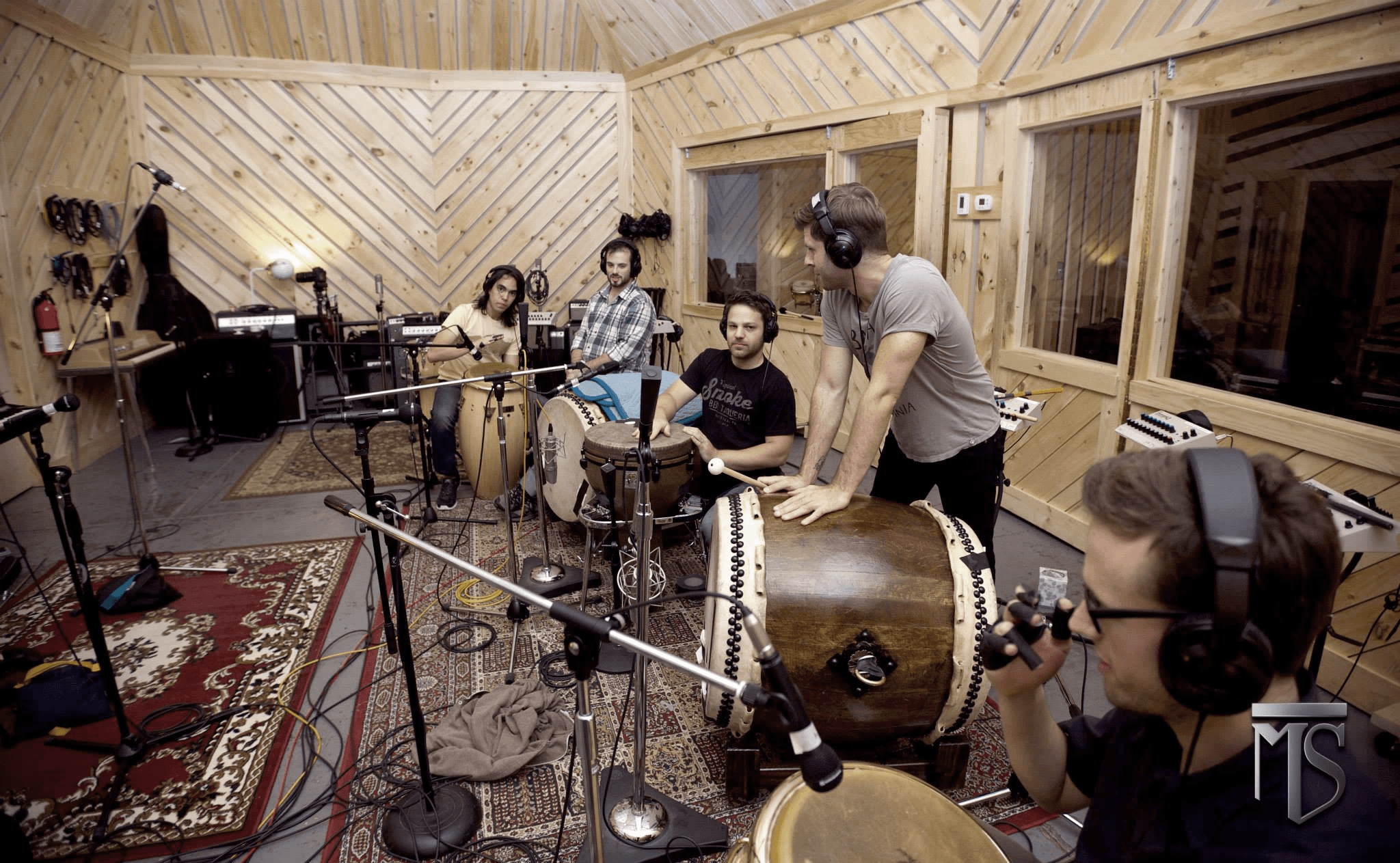
Discovery meant going directly to the source, production students at NYU, phone interviews with working composers, and my own network of electronic music producers. The goal was to understand not just what was missing, but what creating at that level actually felt like from the inside.
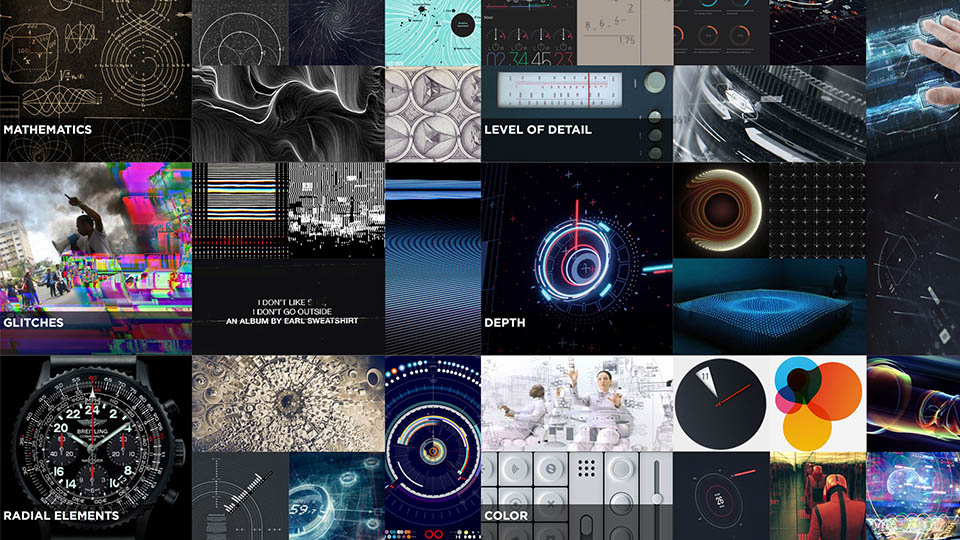
Then we found the feeling we were designing toward.
Mood boards captured the sonic and visual world we were trying to inhabit. Dark, cinematic, organic, precise. The interface needed to feel like the music itself.
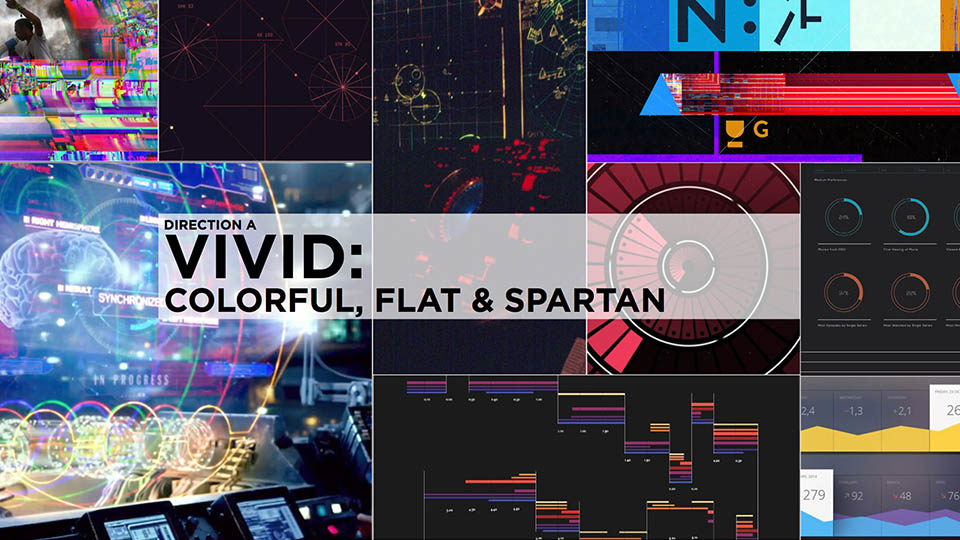
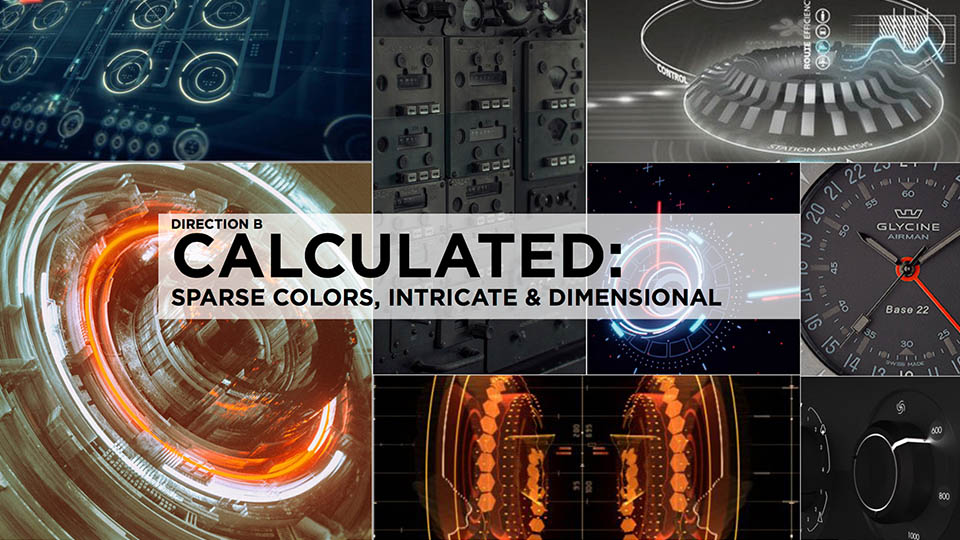
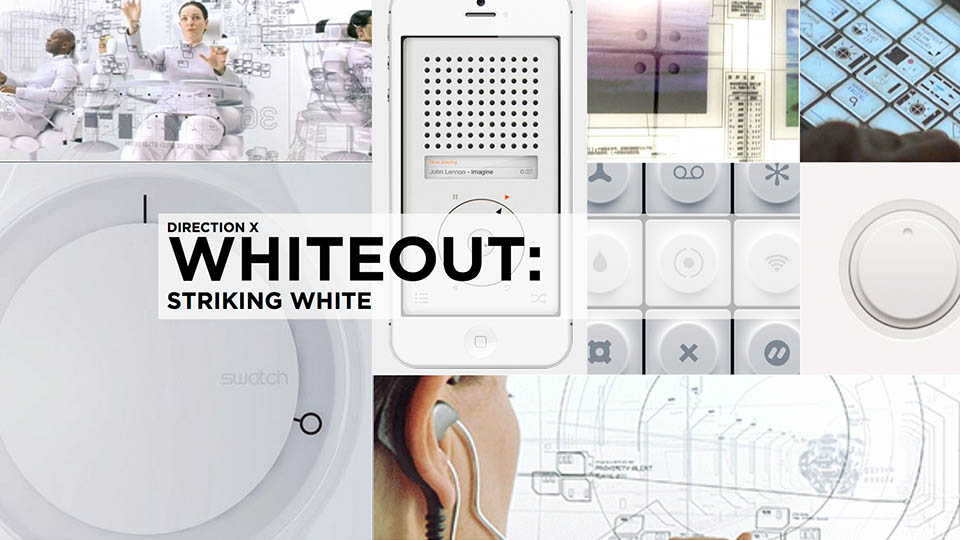
The details were everything.
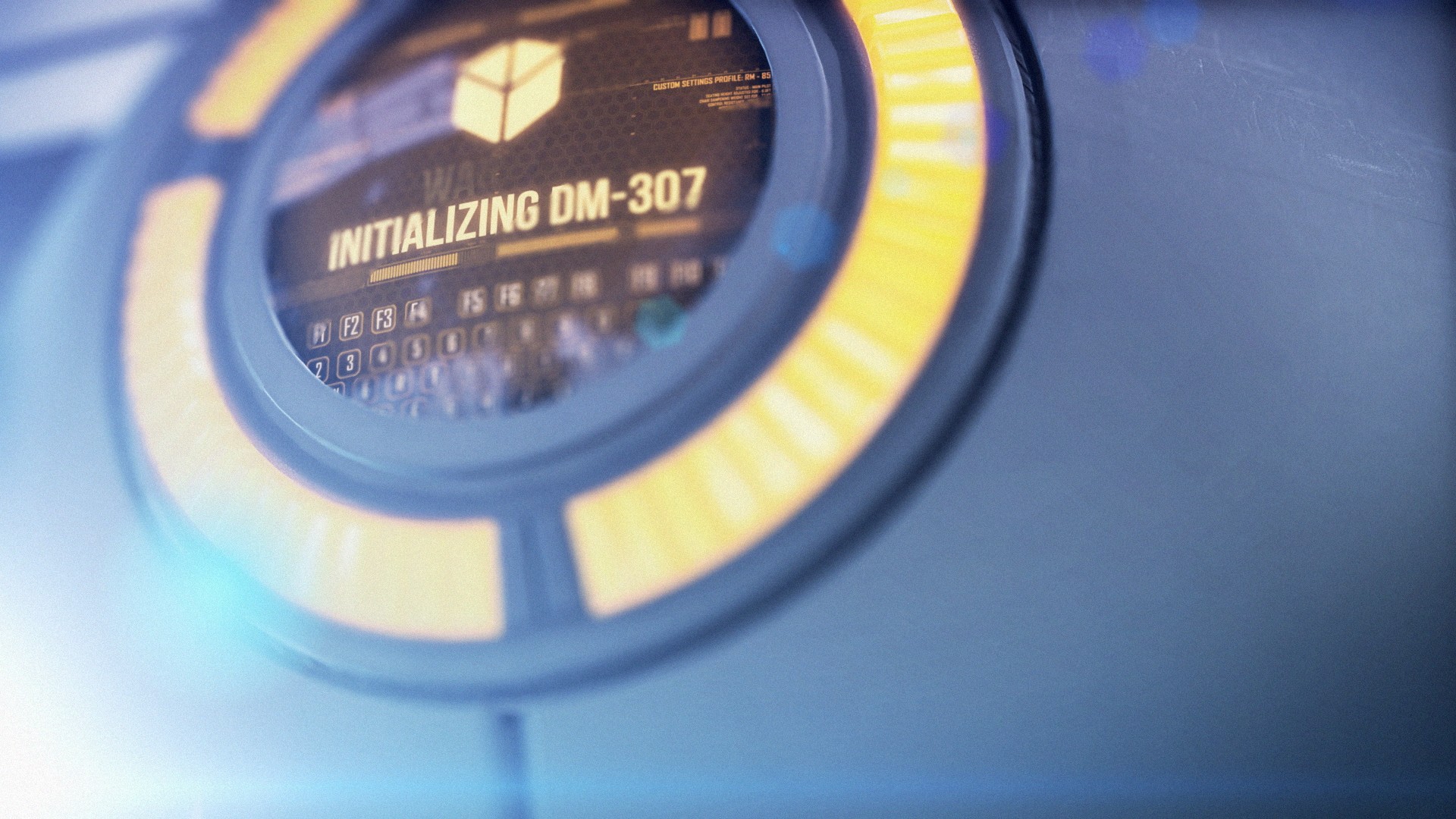
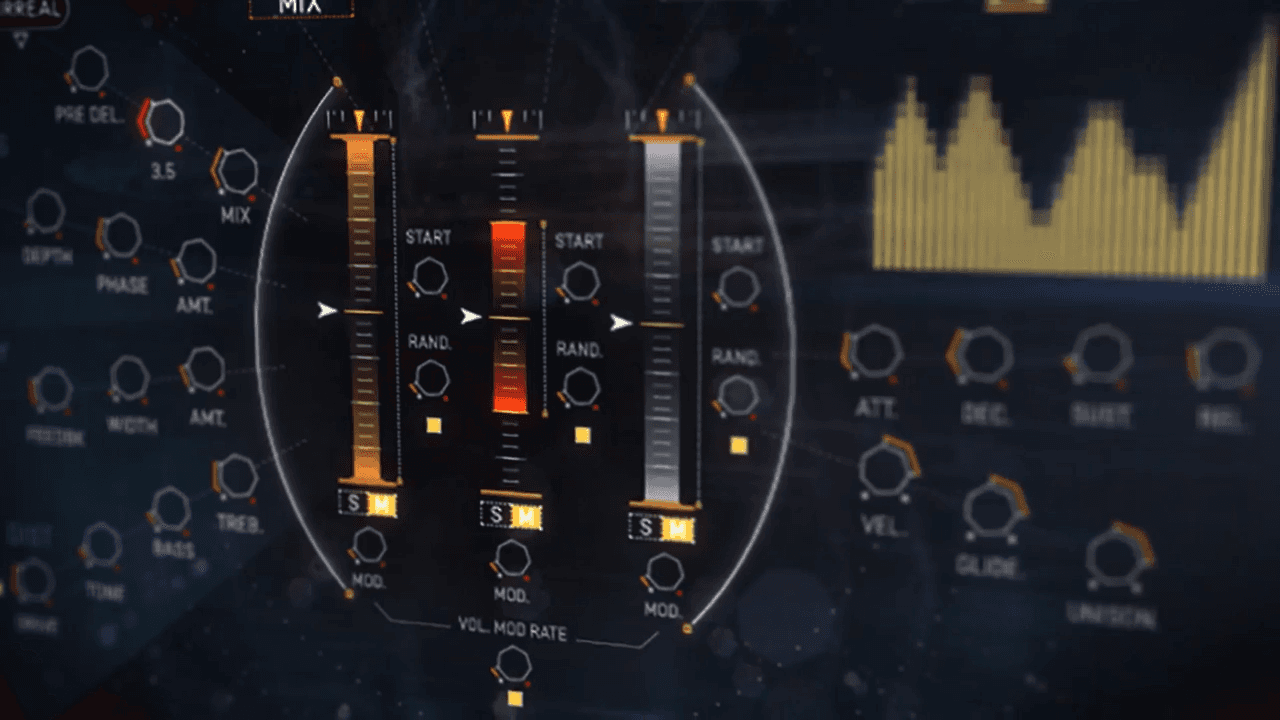
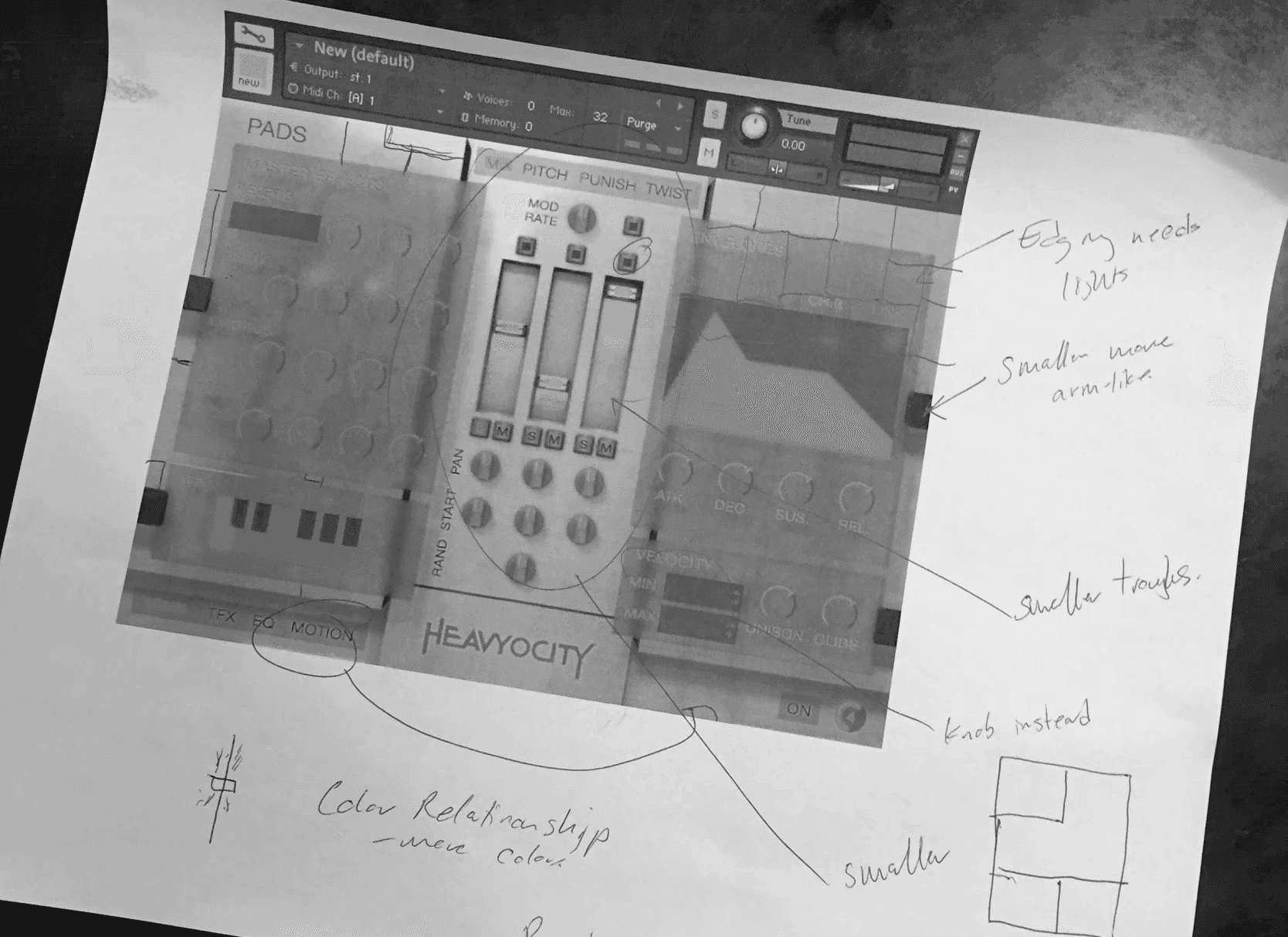
We went to great lengths to add responsive animation anywhere we could, representing the sound being played in real time. Composers would spend weeks inside this tool, so it needed to feel alive, like a collaborator that was listening back.

The proof came quickly. Within a year of launch, GRAVITY was in nearly every major film trailer released, and the product line expanded into a suite of extensions that composers still use today.
Fifteen products. 400% customer growth. And the foundation for everything that came next.
year
2015
timeframe
1 year
role
Director of Product Innovation
company
Heavyocity
01
02
03
04
05
06
07
08
09