intelligent warehouse
the insight that changed everything wasn't on the floor, it was above it
00
problem
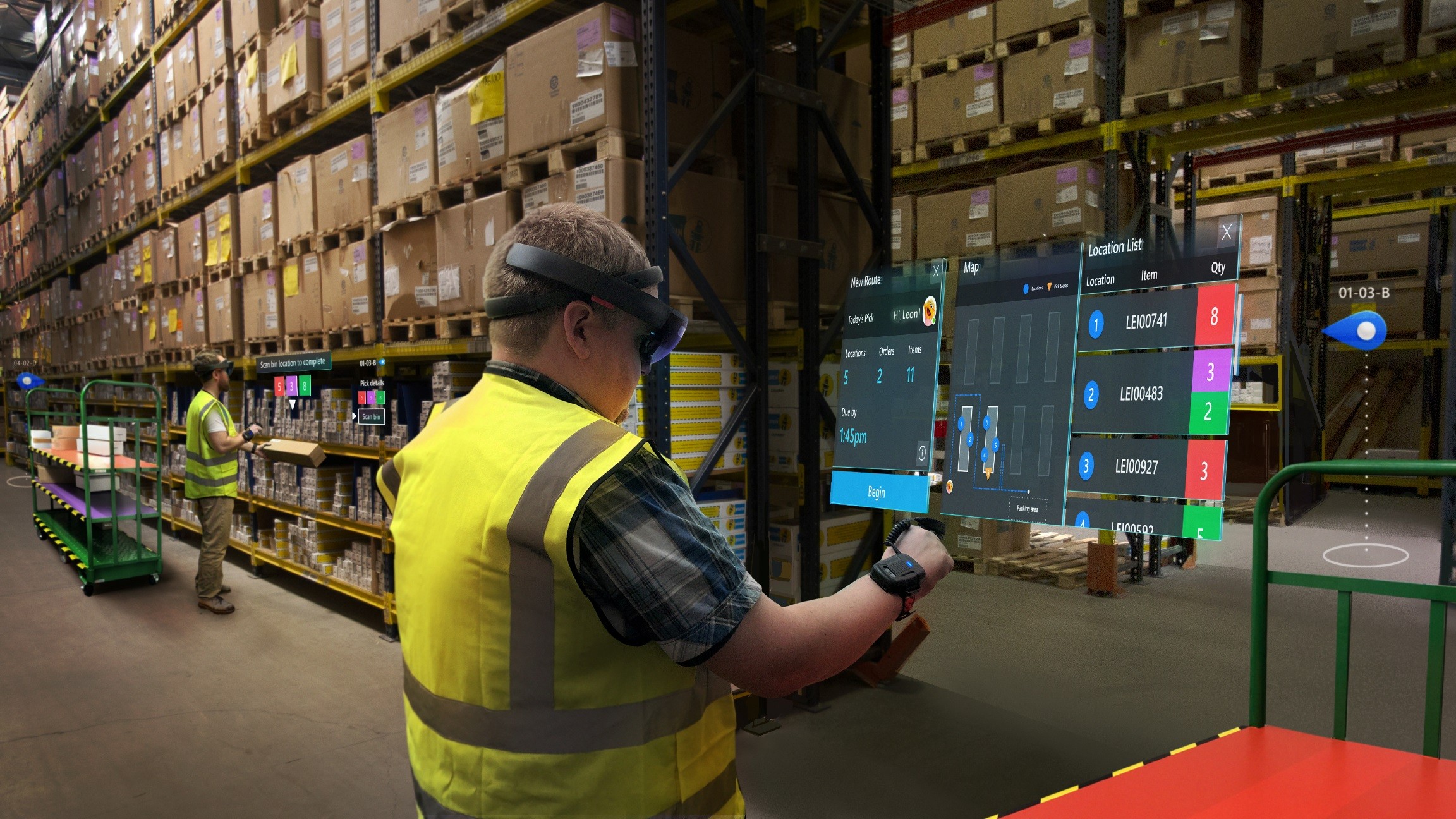
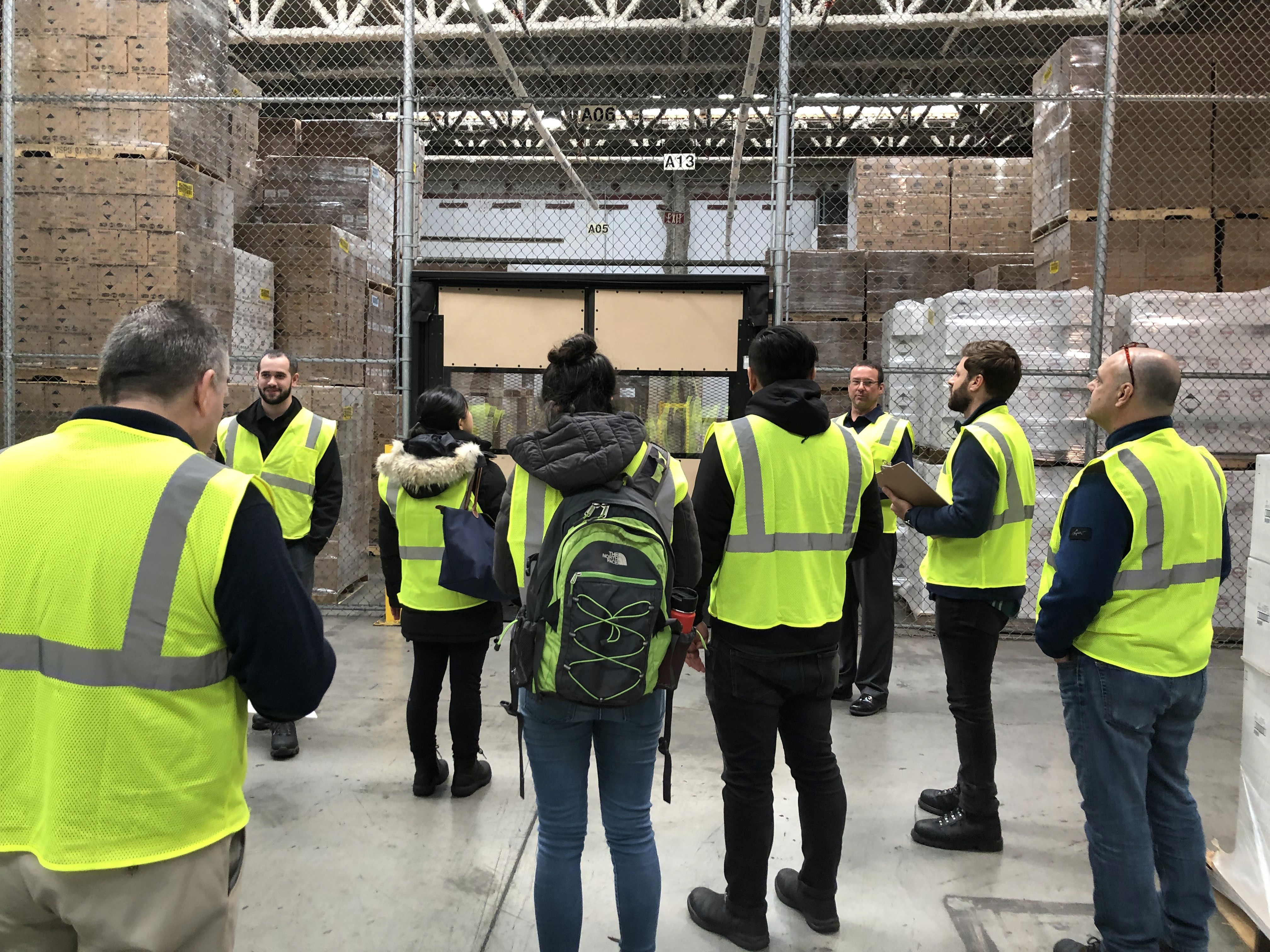
Warehouse logistics had transformed rapidly under e-commerce pressure, but the tools workers relied on hadn't kept pace. Pickers navigated with handheld scanners, supervisors managed through fragmented data systems, and the gap between what was happening on the floor and what leadership could actually see kept widening. The opportunity was a holistic, real-time picture of operations that could surface bottlenecks, identify discrepancies, and enable confident decisions before problems cascaded.
solution
What began as a five-week prototyping cycle for a single customer became the foundational platform for enterprise mixed reality at Microsoft. A critical pivot changed everything: shifting our target persona from individual pickers to warehouse supervisors and reframing success around Cost Per Order rather than workflow-level KPIs. That single insight unlocked five solution categories and expanded the platform's reach across retail, food distribution, and manufacturing. The technology now lives inside Dynamics 365 Guides and Connected Store, and forms the backbone of Microsoft's Connected Reality platform.
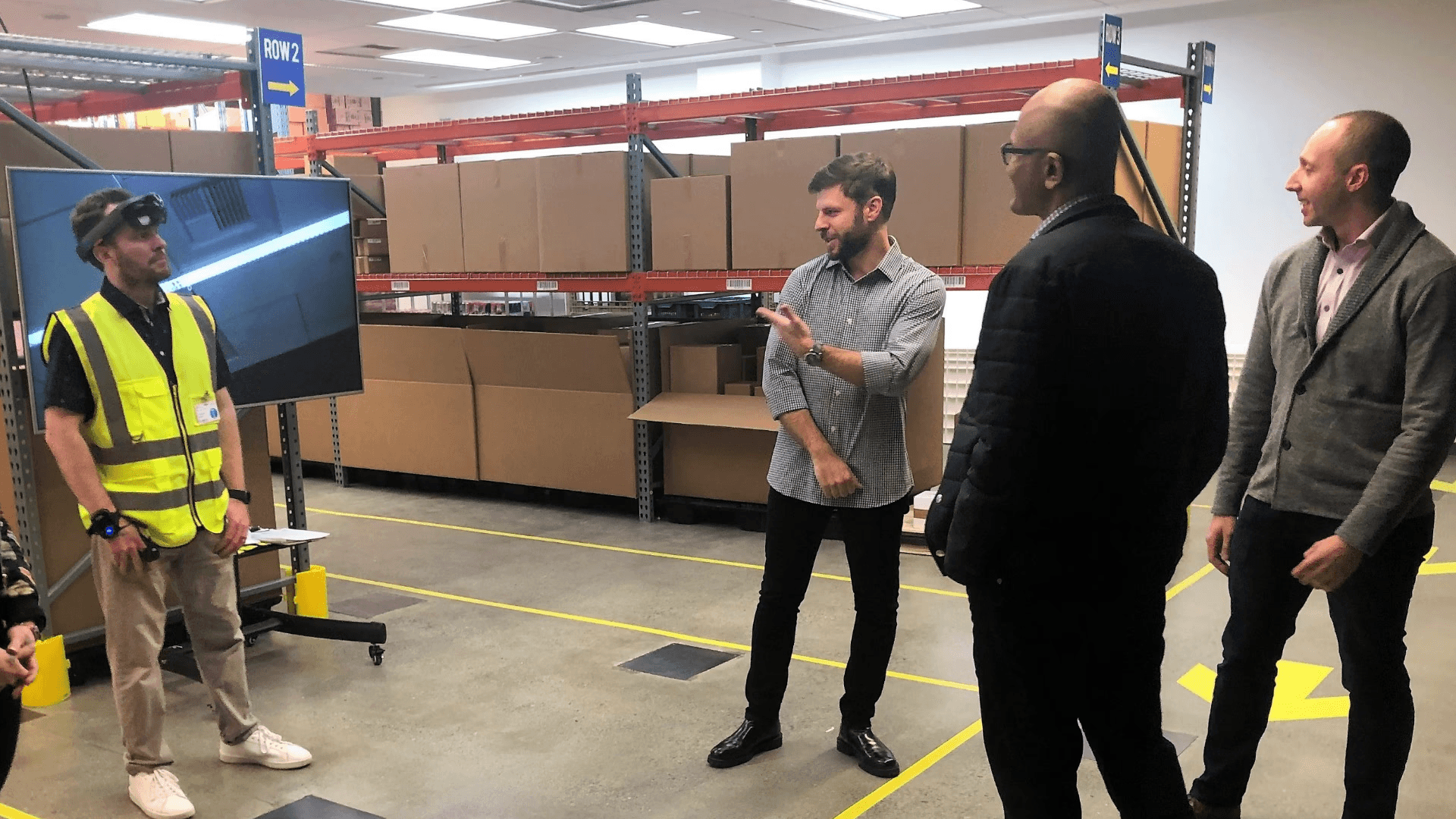
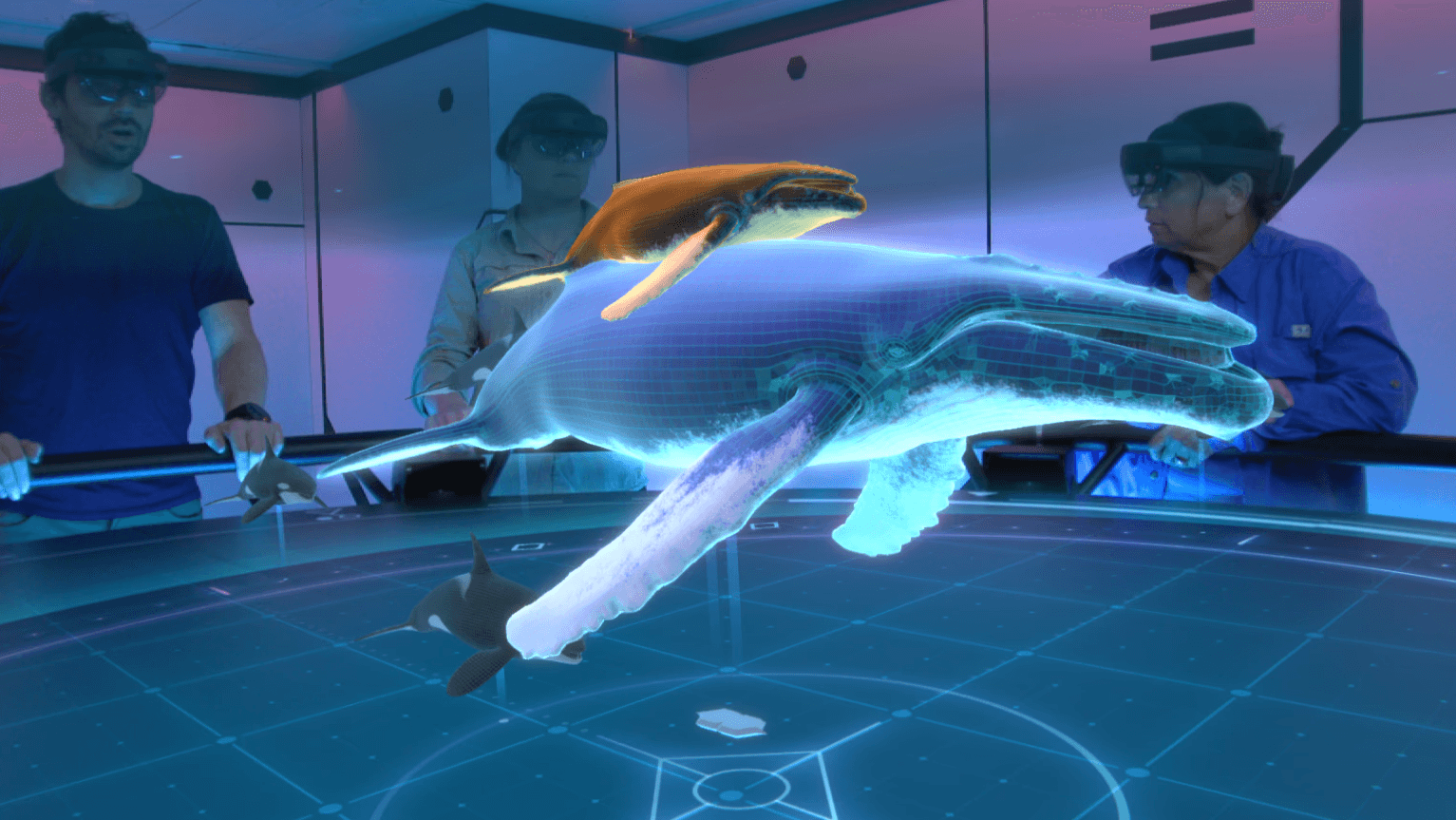
We built a mock warehouse in one of our studios, connected HoloLenses to a live ERP system, and showed it to a room full of C-suite executives. The studio was officially funded the next day.
Start with a problem you can touch.
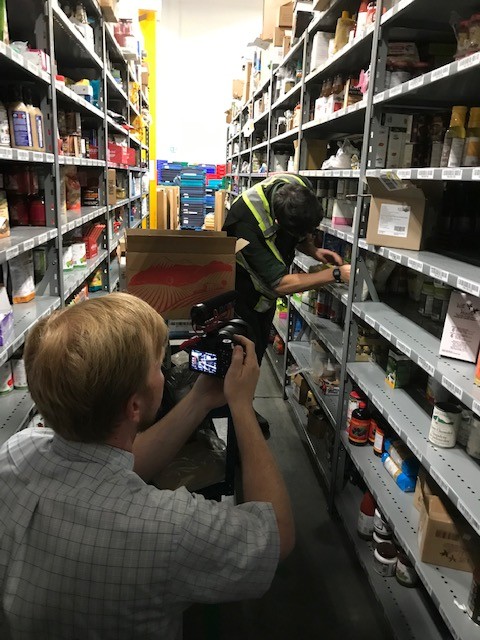
The first question was simple: could HoloLens make finding items on a warehouse shelf faster and more accurate than a handheld scanner? We built the proof of concept, validated it with a customer, and got our answer.
Yes. But the answer surfaced a bigger question. If we now had a digital twin of the space and an accurate system of record behind it, what other value could we provide?
Discovering new solution categories
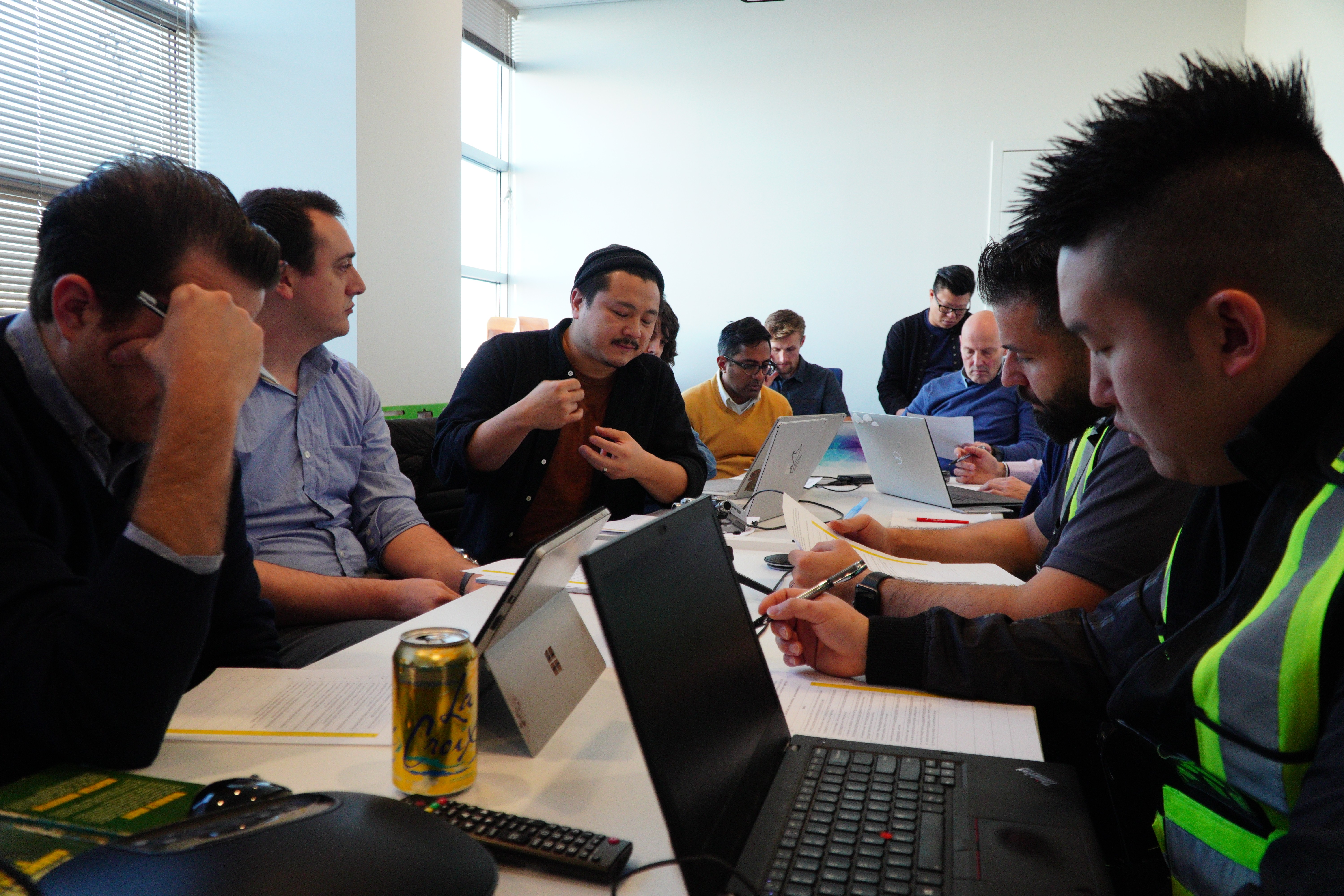
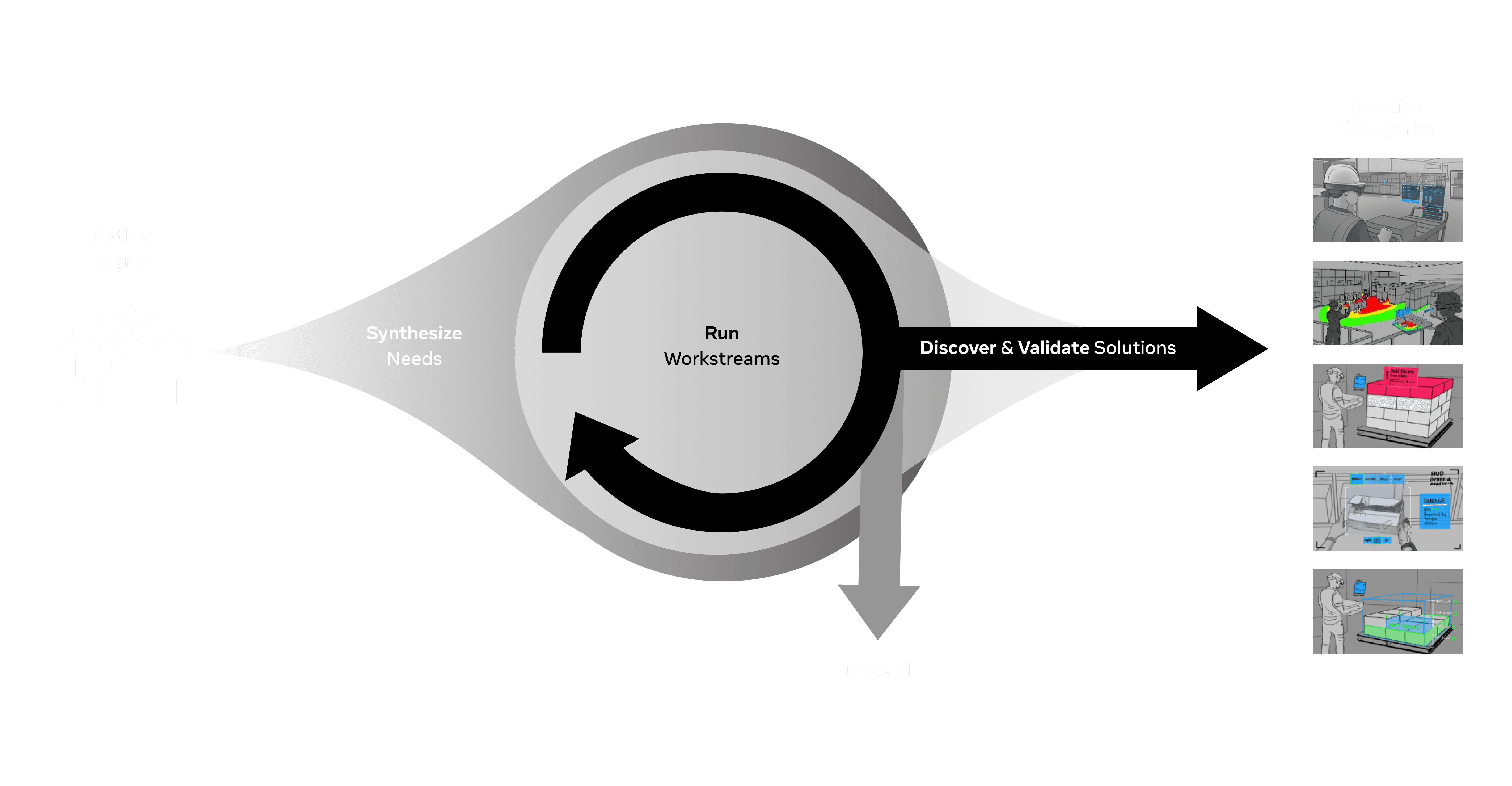
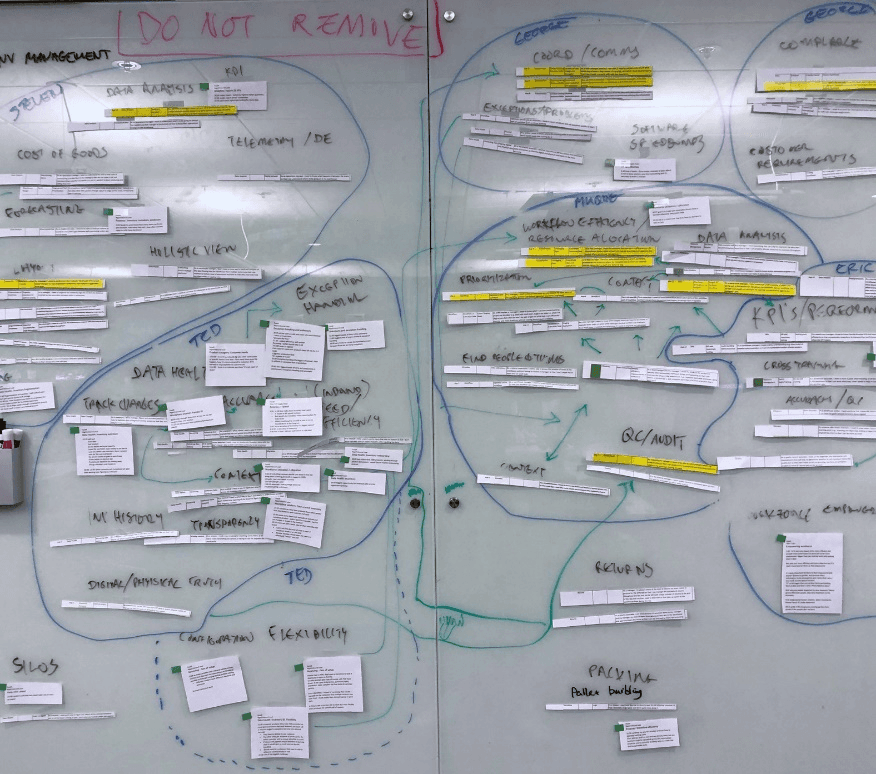
We went back to the needs we gathered in our initial research phase - there were plenty. We evaluated each against filter criteria and the themes that emerged were then used to form new workstreams with explicit OKRs defined by our leadership team.
The goal was to end up with a set of solution categories that would provide undeniable value. Our studio’s charter was to look at the entirety of the sector and develop a platform that could scale across different warehouse models.
Evaluating our ideas
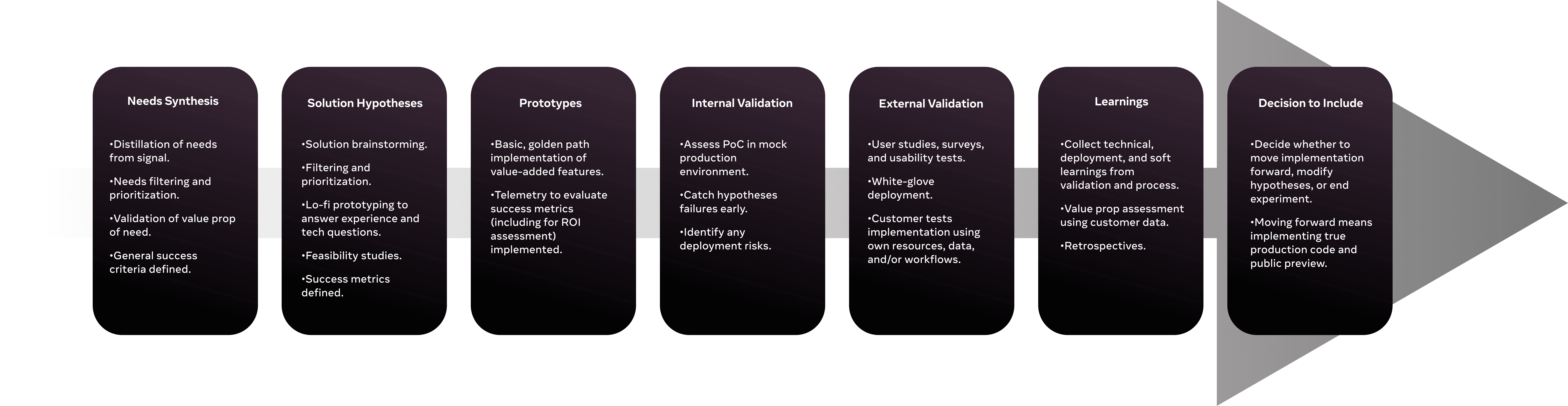
Platform development doesn’t happen overnight and we needed a way to evaluate each solution category to find product-market fit. Myself, along with the PM and Eng leads for the studio, designed a process for each workstream to do just that. This process generated a "go/no go" for each solution category.
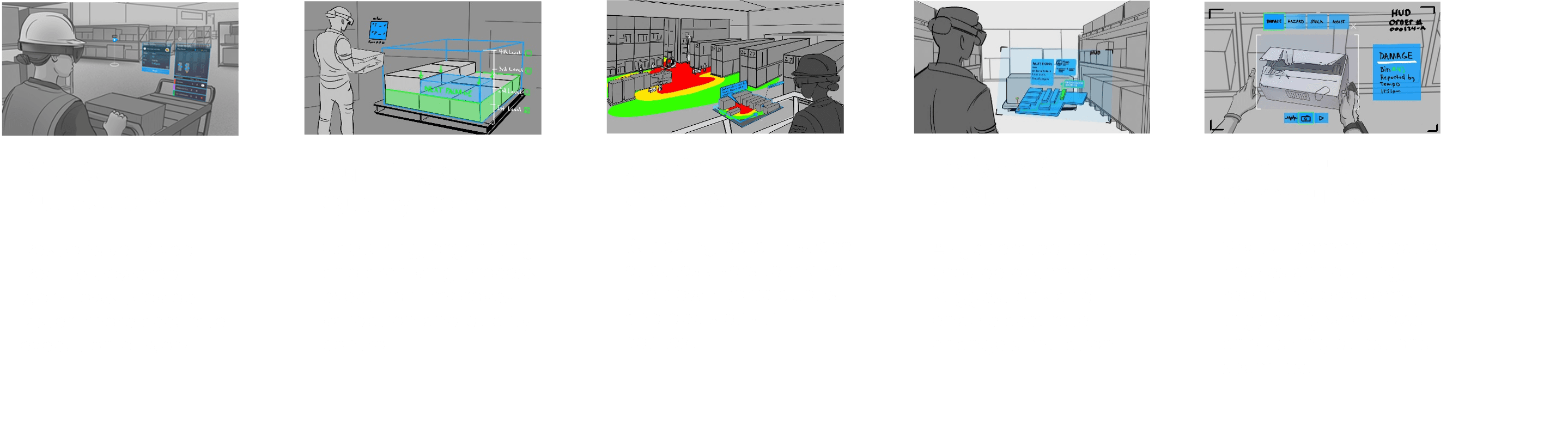
Five solution categories. One platform.
Pick and Put Actions. Auditing and Quality Control. Spatial Observation. Insights and Simulation. Contextual Communication. Each validated with customers before inclusion. Each designed to accrue value as a suite rather than stand alone. But we still had one issue to content with - the device count for any one solution was too high. We needed to pull back and rethink.
The insight that unlocked it all
HoloLens battery life and form factor made scaling across individual workflows economically unviable for the customers who needed it most.
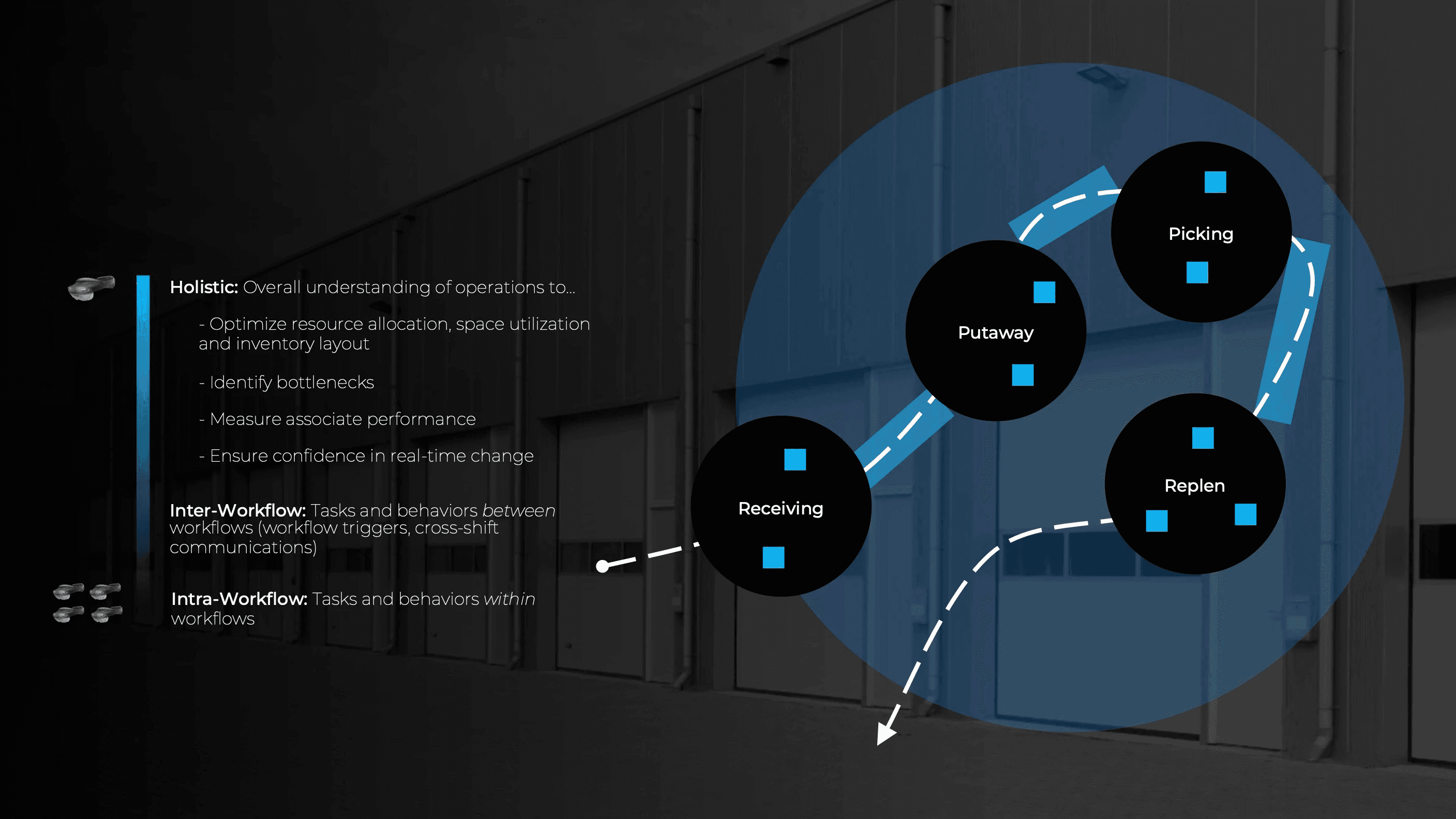
What if we stopped solving for individual workflows and started solving for the person who sees everything?
Reframing the problem around Cost Per Order rather than individual workflow KPIs was the unlock we were looking for. Warehouse supervisors became our persona, holistic operational intelligence became our product, and suddenly every customer we spoke to wanted in.
Three value propositions consistently won the room:
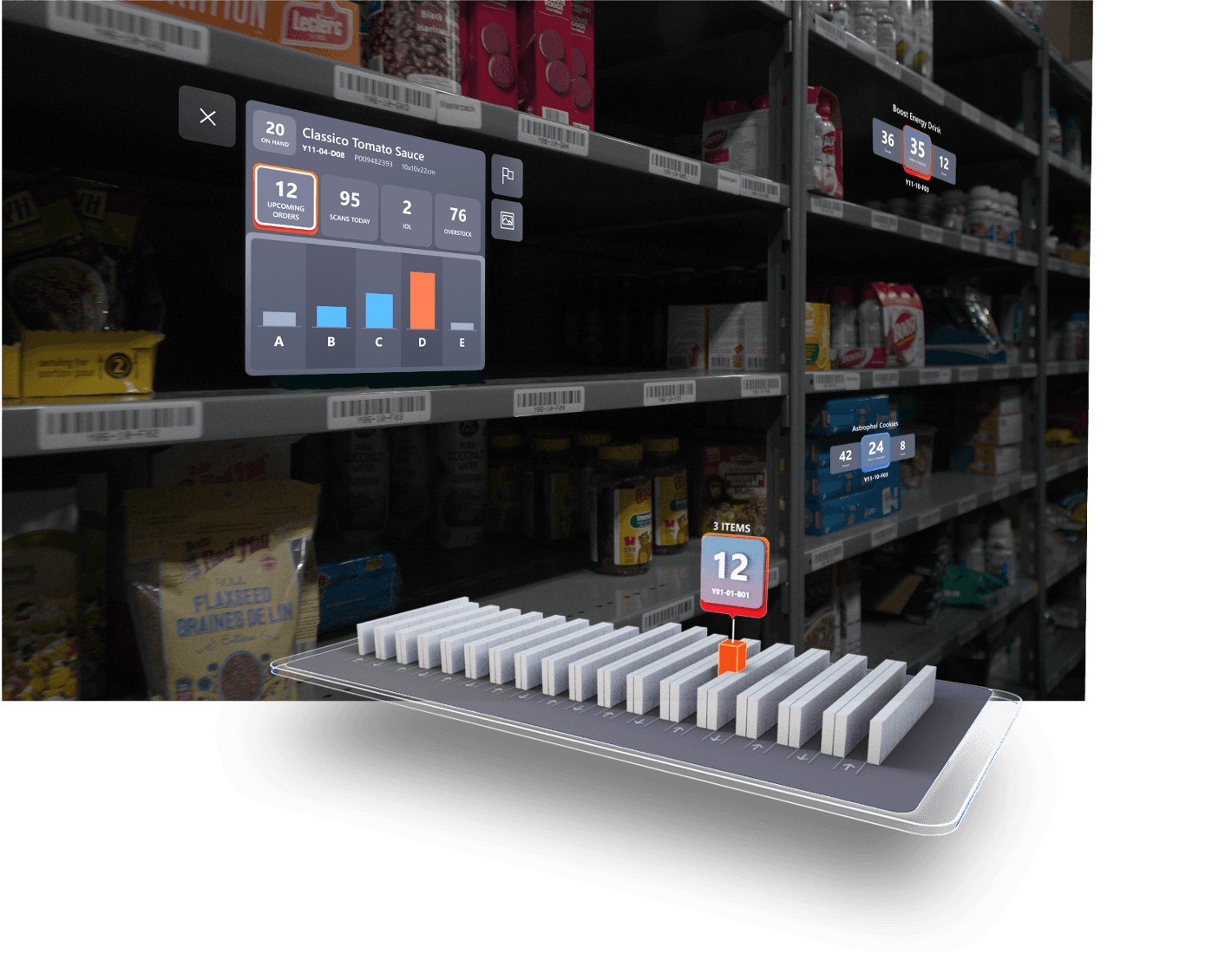
The ability to query the real world to triage problems without switching systems
Supervisors as the best sensors for observational problem-solving
The capture of human behavior as training data for ML models that would reduce inefficiency over time
The platform we built is now the foundation of Microsoft's Connected Reality ecosystem, running inside Dynamics 365 Guides and Connected Store, and in warehouses, retail floors, and distribution centers around the world.
year
2019
timeframe
1 year
role
Principal Design Director
company
Microsoft
01
02
03
04