audio intelligence services
environments that listen, so you don't have to
problem
In high-intensity manufacturing environments, as cognitive load increases so does required concentration, and that concentration quietly narrows a worker's peripheral awareness. The result is an invisible erosion of the safety KPI that every company we visited ranked first. No system existed to monitor that erosion, classify what was happening acoustically, and surface the right insight before something went wrong.
solution
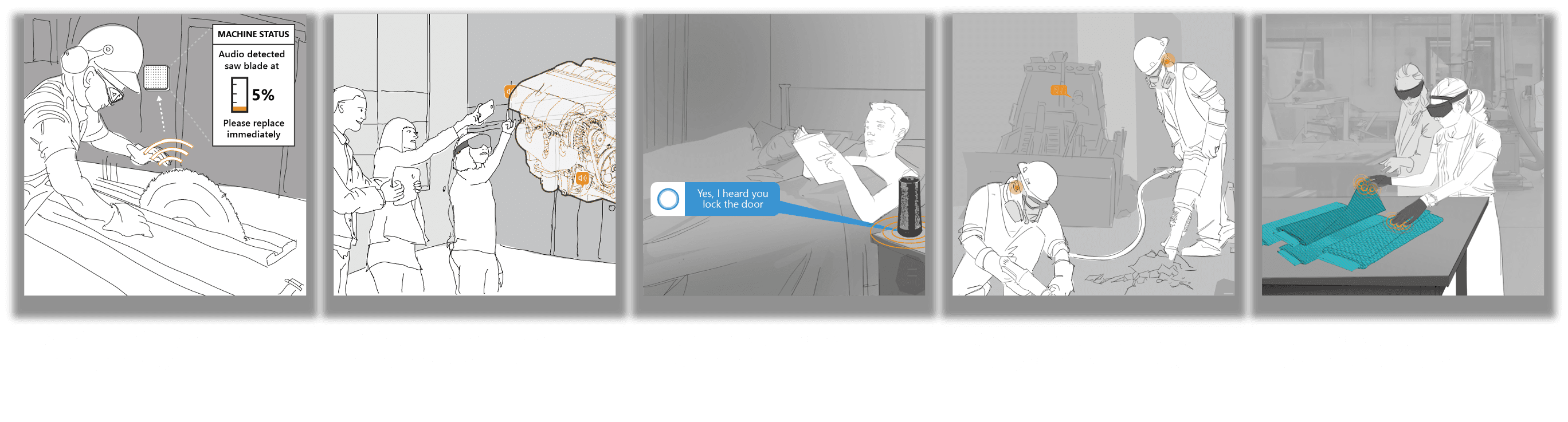
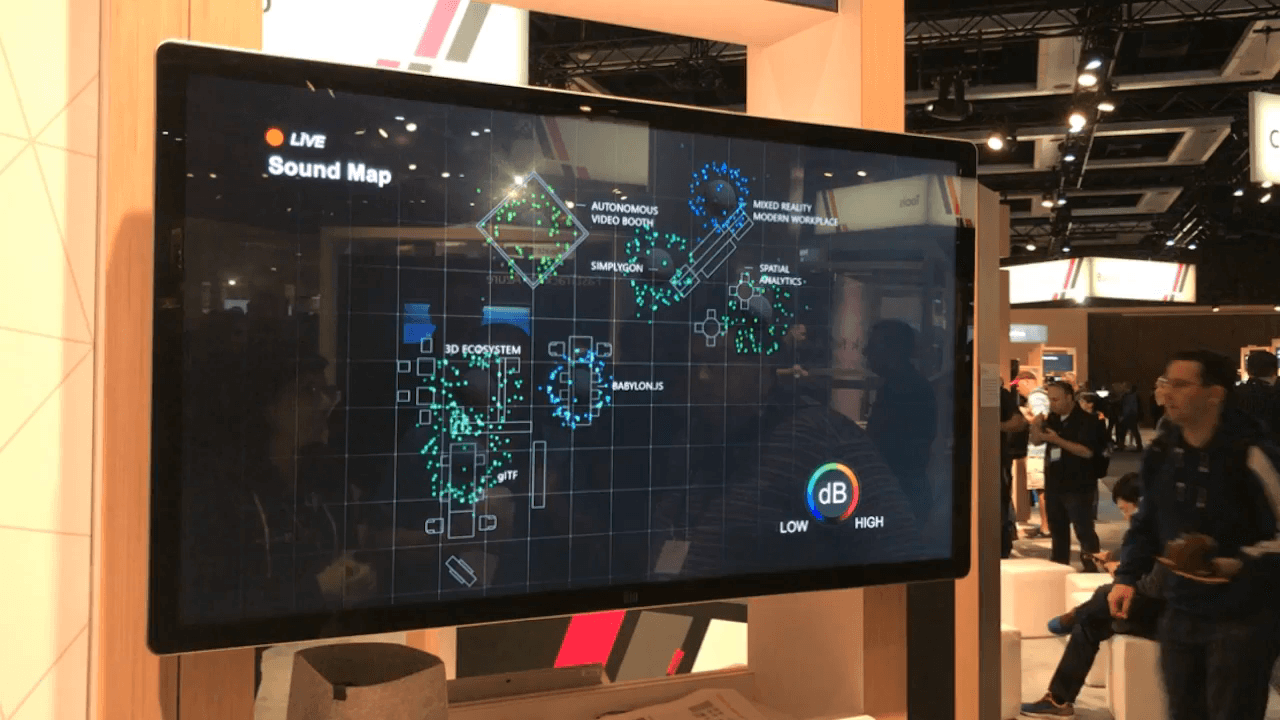
I pitched a new product category to senior leadership and was given the opportunity to build and lead the first spatial audio computing team within the Mixed Reality at Work organization. The core capability I defined was Audio Profiling on the Intelligent Edge, the ability to listen to an enterprise space through an array of IoT microphones, classify activity in real time, and deliver actionable insights automatically. Validated in partnership with Thyssenkrupp Aerospace, our first offering delivered anomaly detection using isolated forest models, real-time decibel monitoring, and saw blade preventative maintenance, measurably improving safety and operational efficiency on the floor.
It started at home. Smart lights, a streaming speaker, a security system, a thermostat. Devices that each did their job, but never talked to each other. The question that wouldn't leave me alone was simple: what if they did?
The insight came from the floor, not the lab.
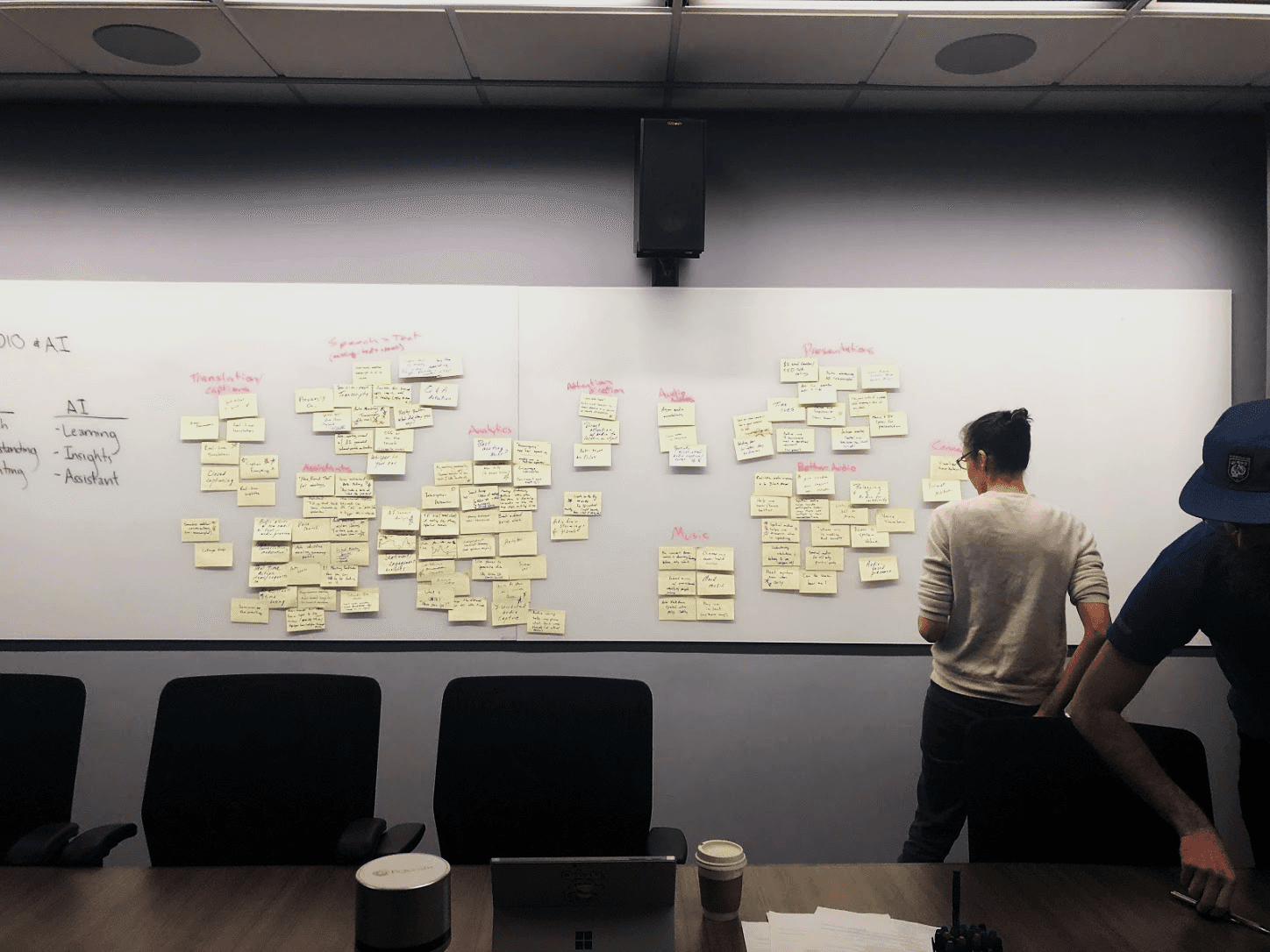
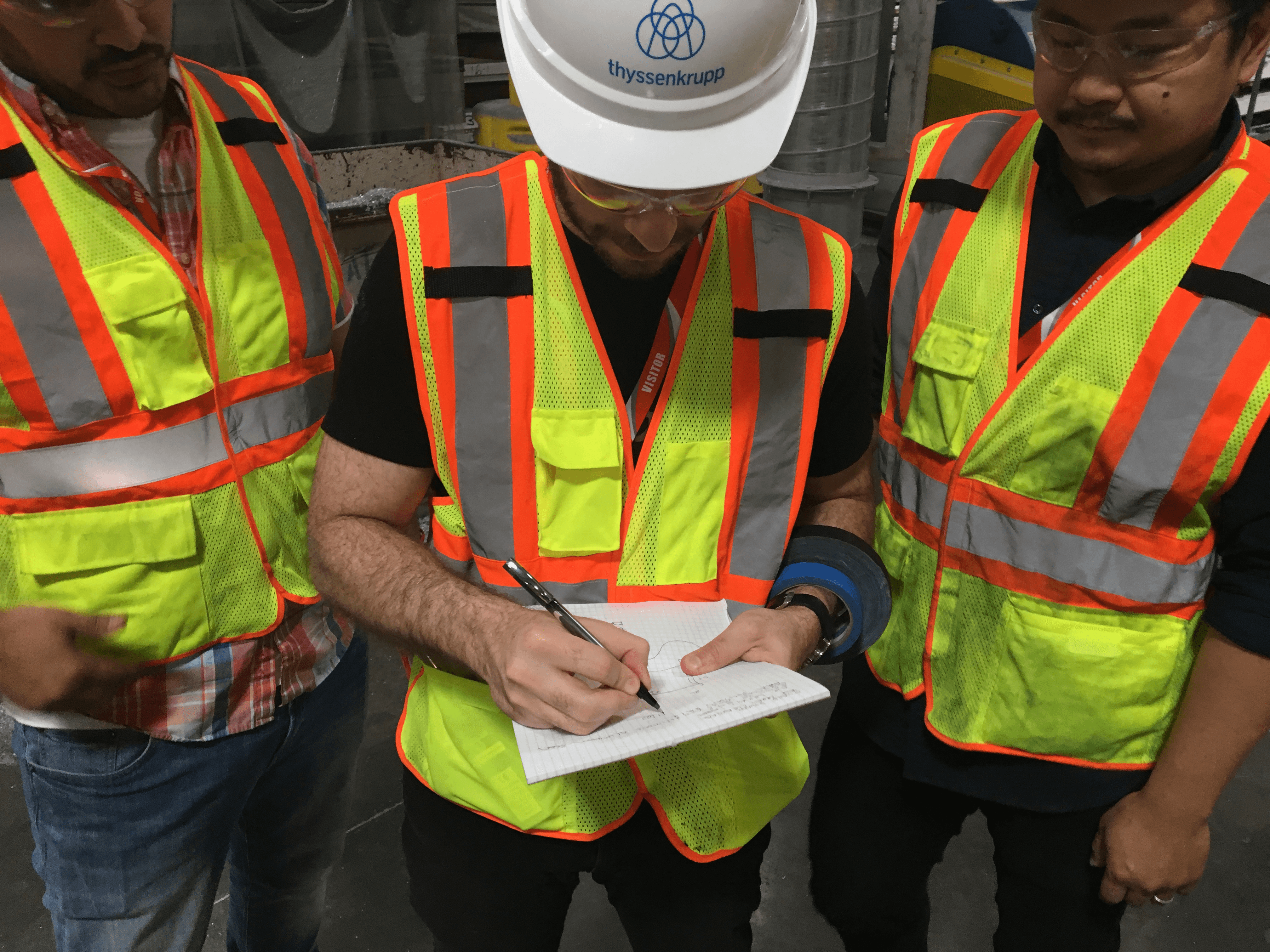
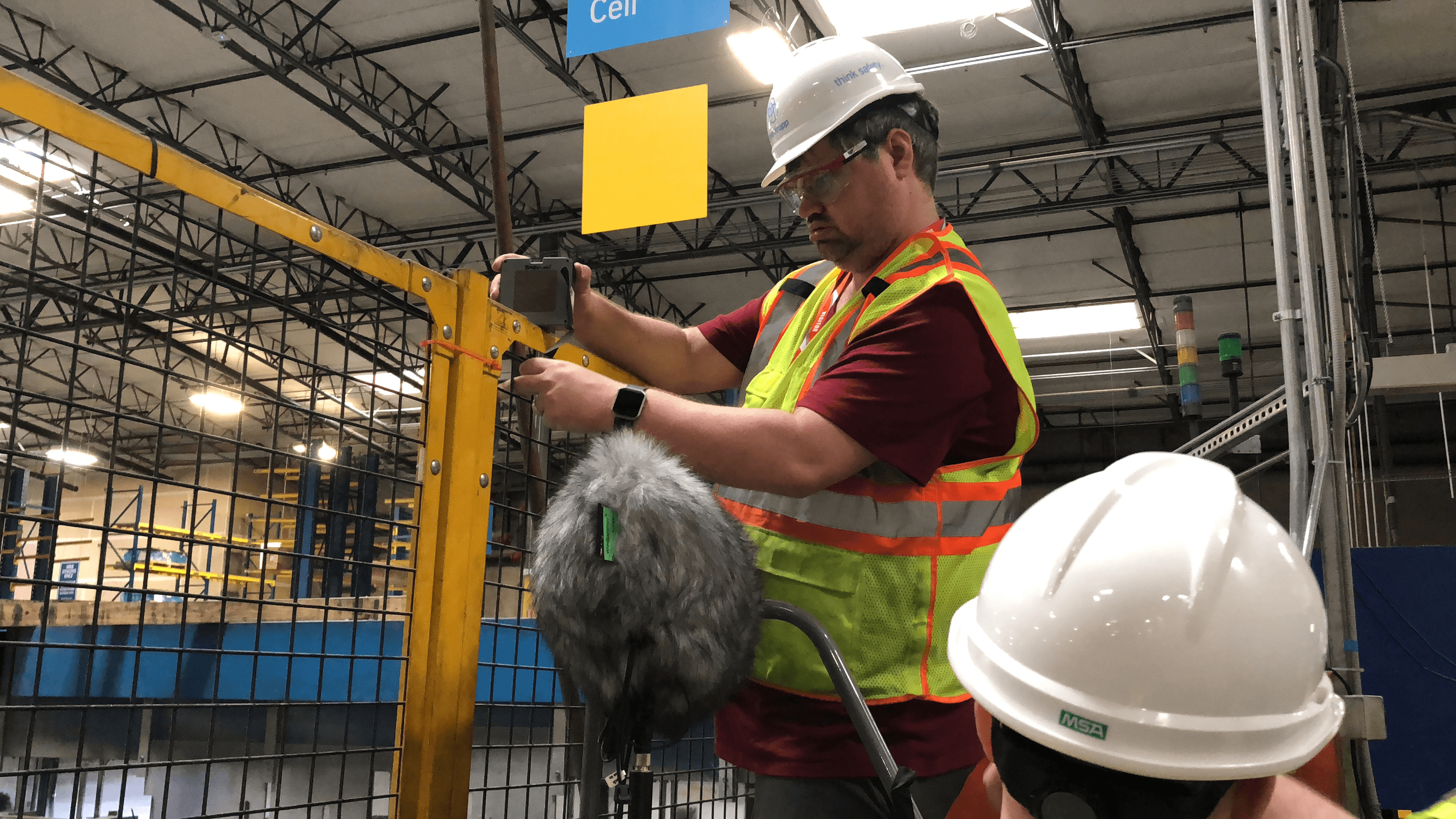
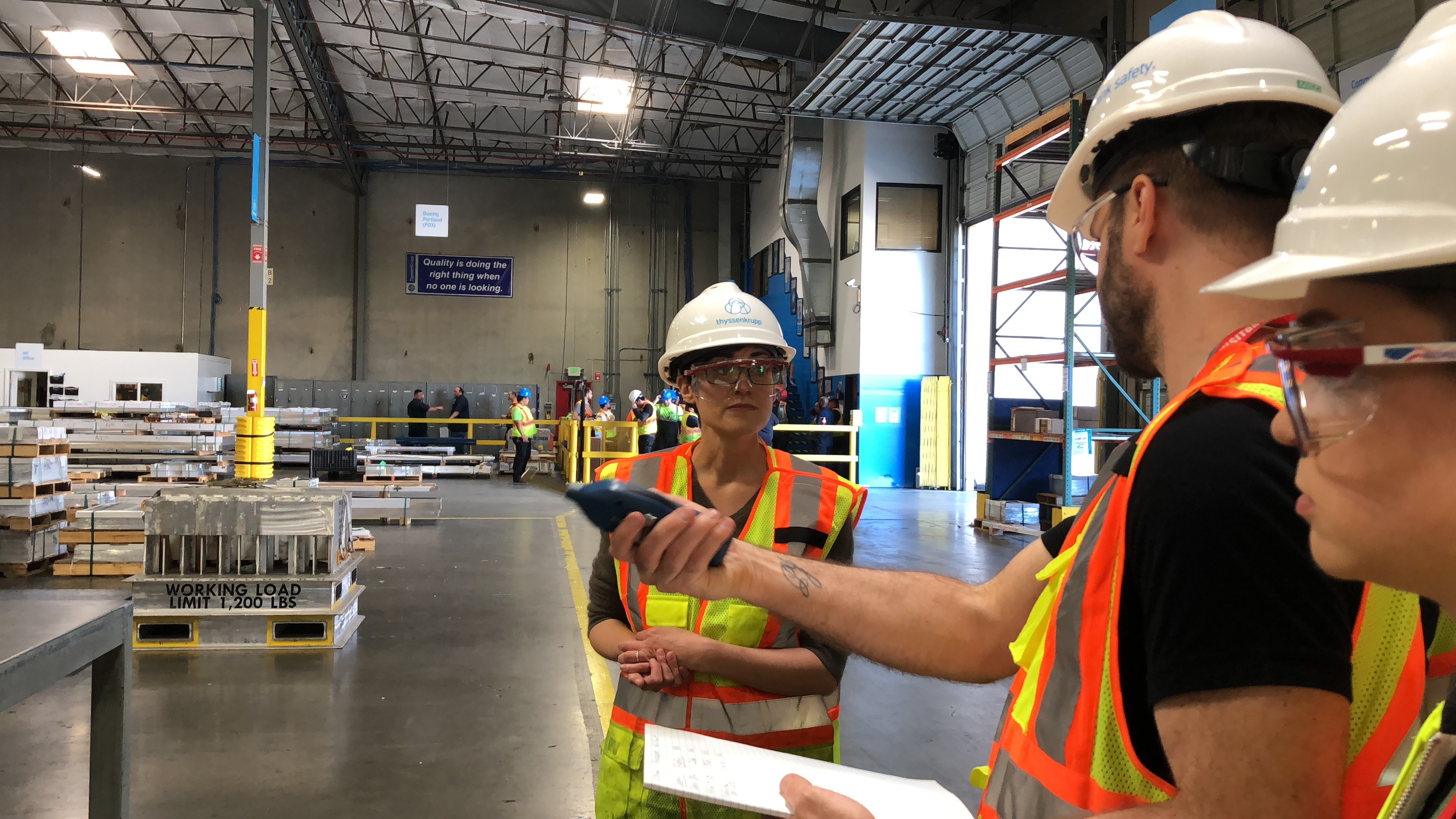
Site visits across manufacturing verticals kept pointing to the same thing. As noise increased, awareness decreased. Workers were concentrating harder to do their jobs, and that concentration was quietly narrowing their field of perception. Safety, the top KPI for every company we visited, was being eroded by something no one could see.
So we taught the building to pay attention instead.
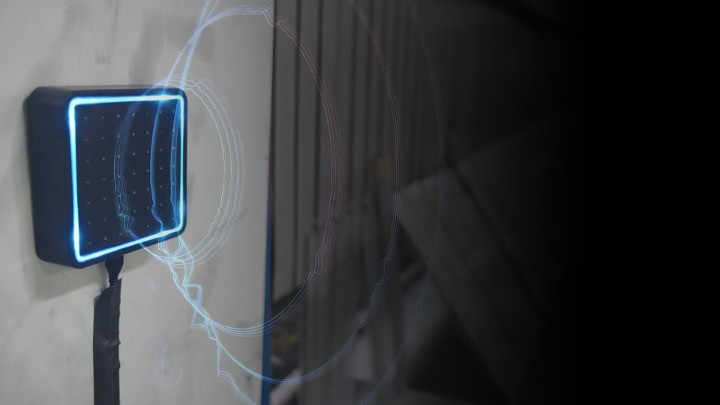
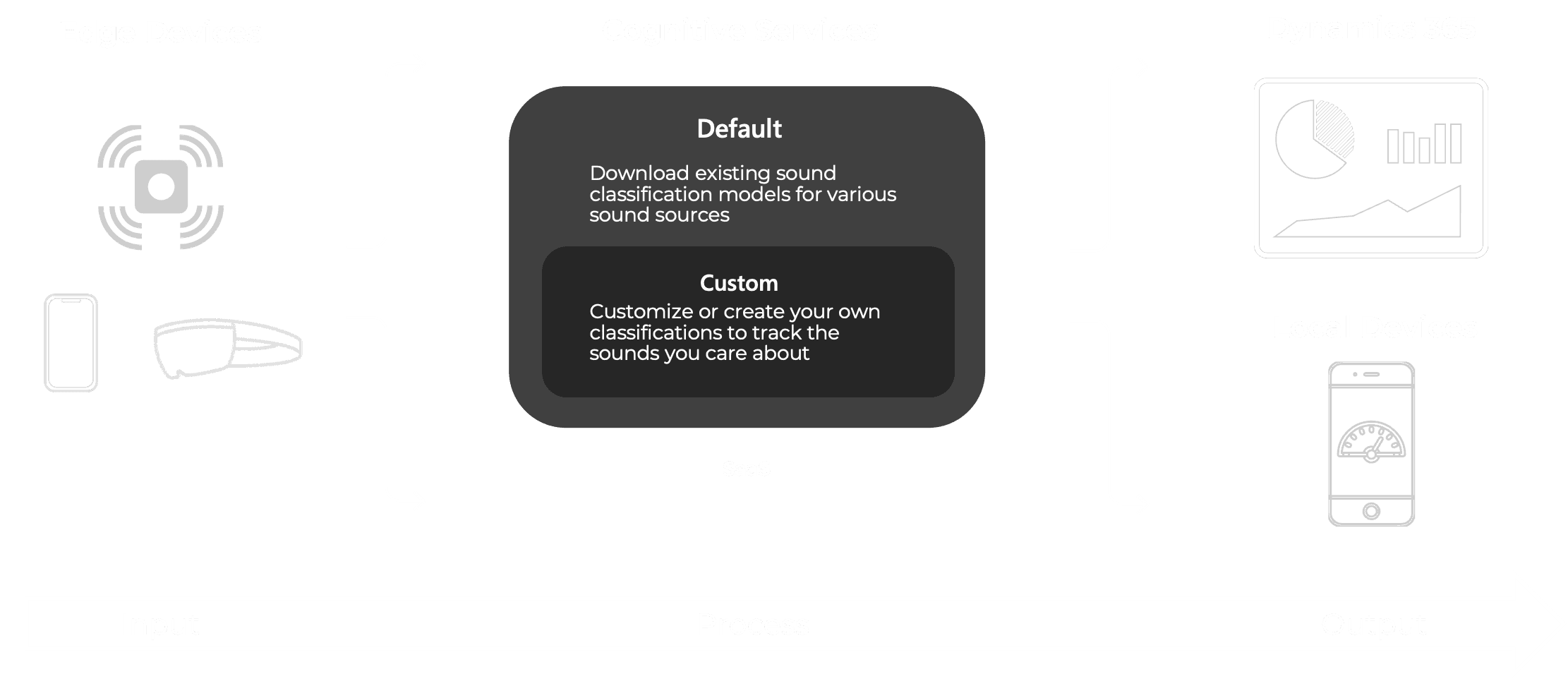
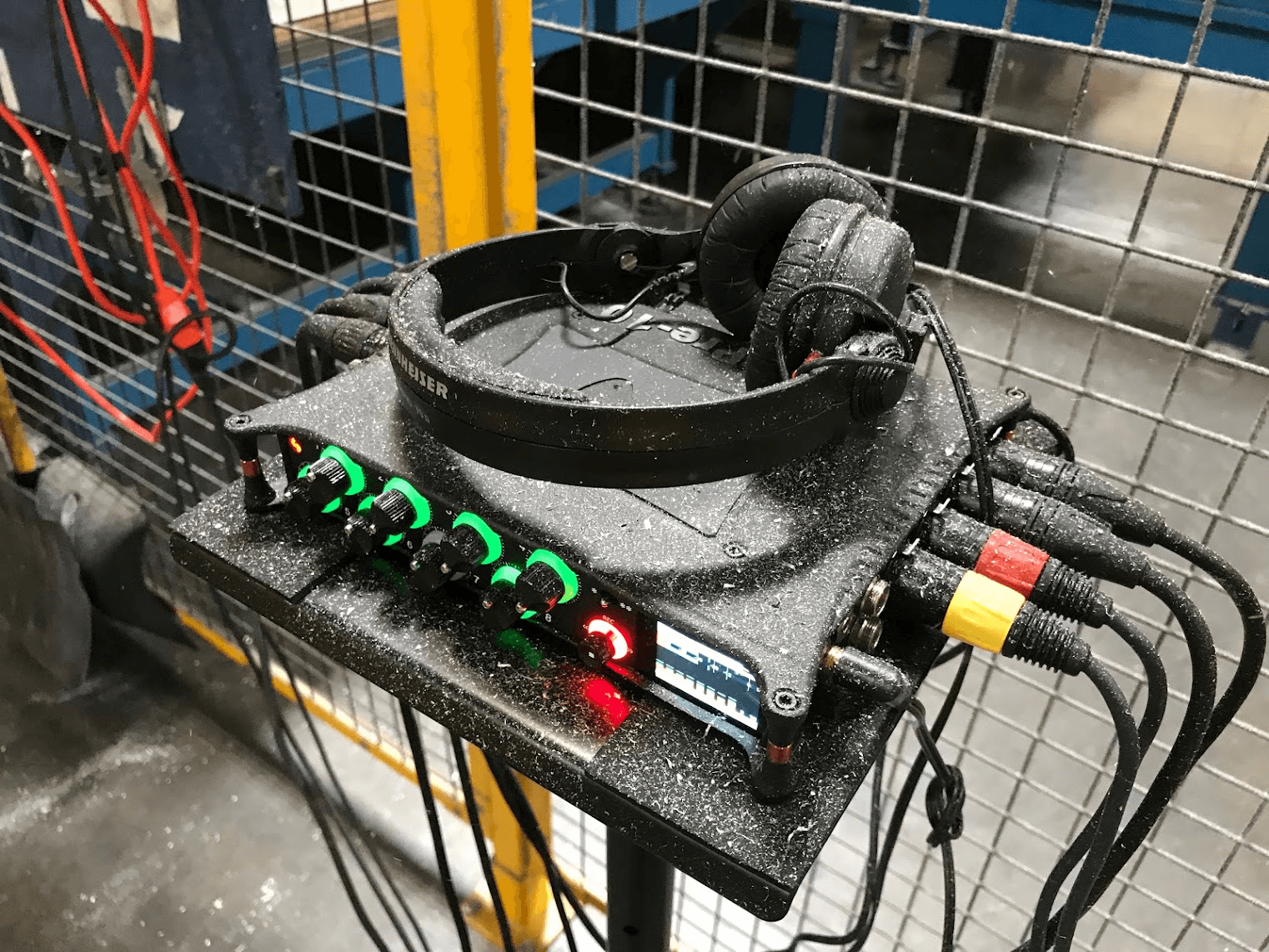
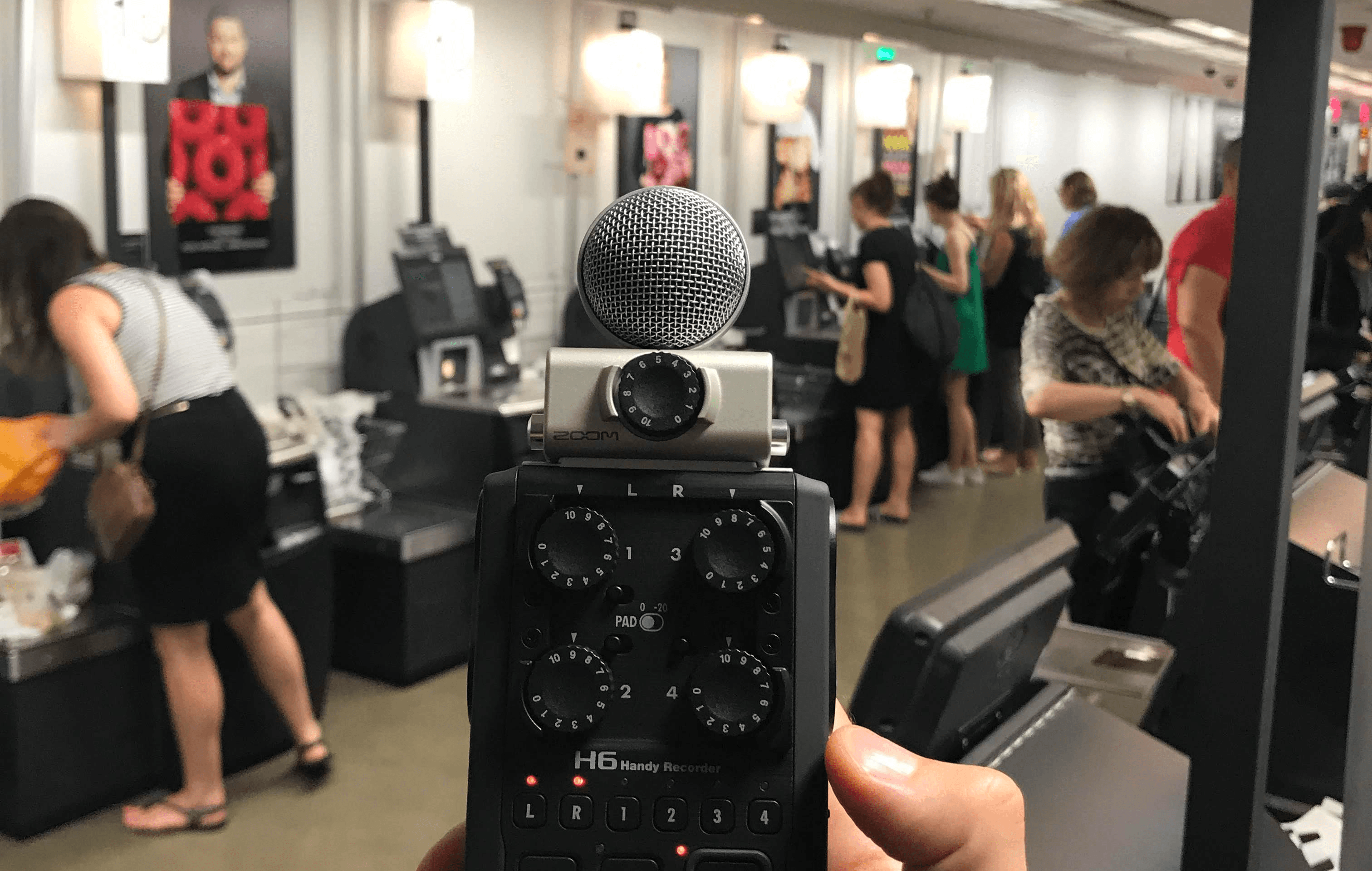
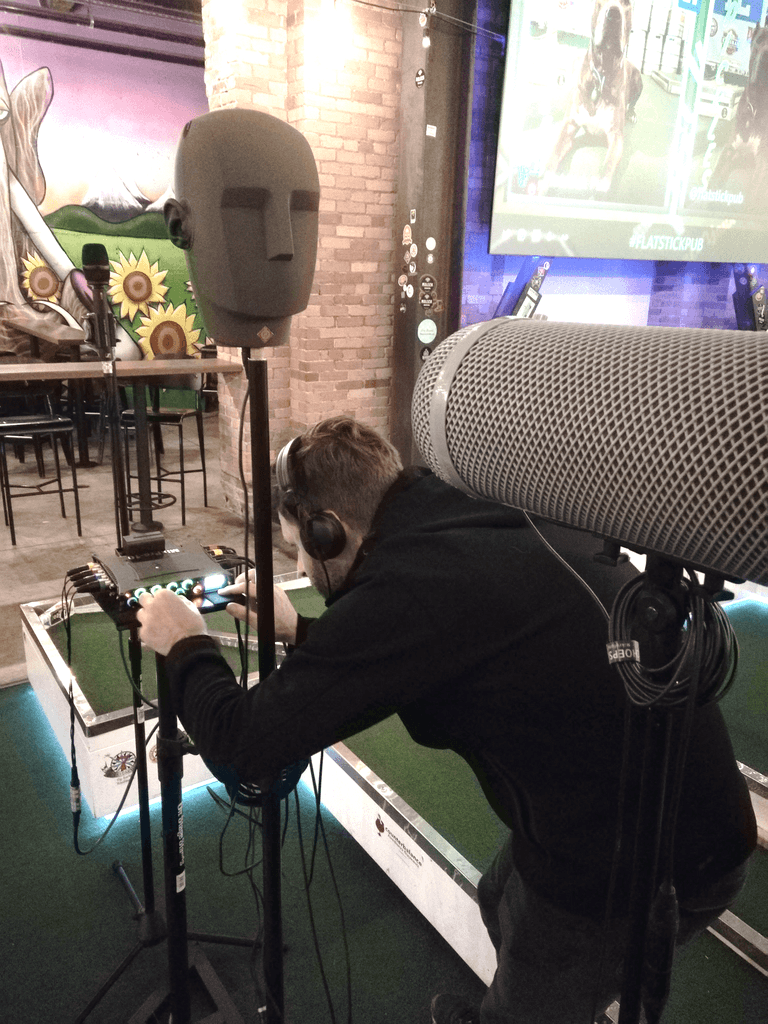
Audio Profiling on the Intelligent Edge. An array of IoT microphones, a classification system trained on the acoustic signature of a working environment, and a delivery layer that surfaced the right insight to the right person at the right moment.
The first proof was at a partner site.
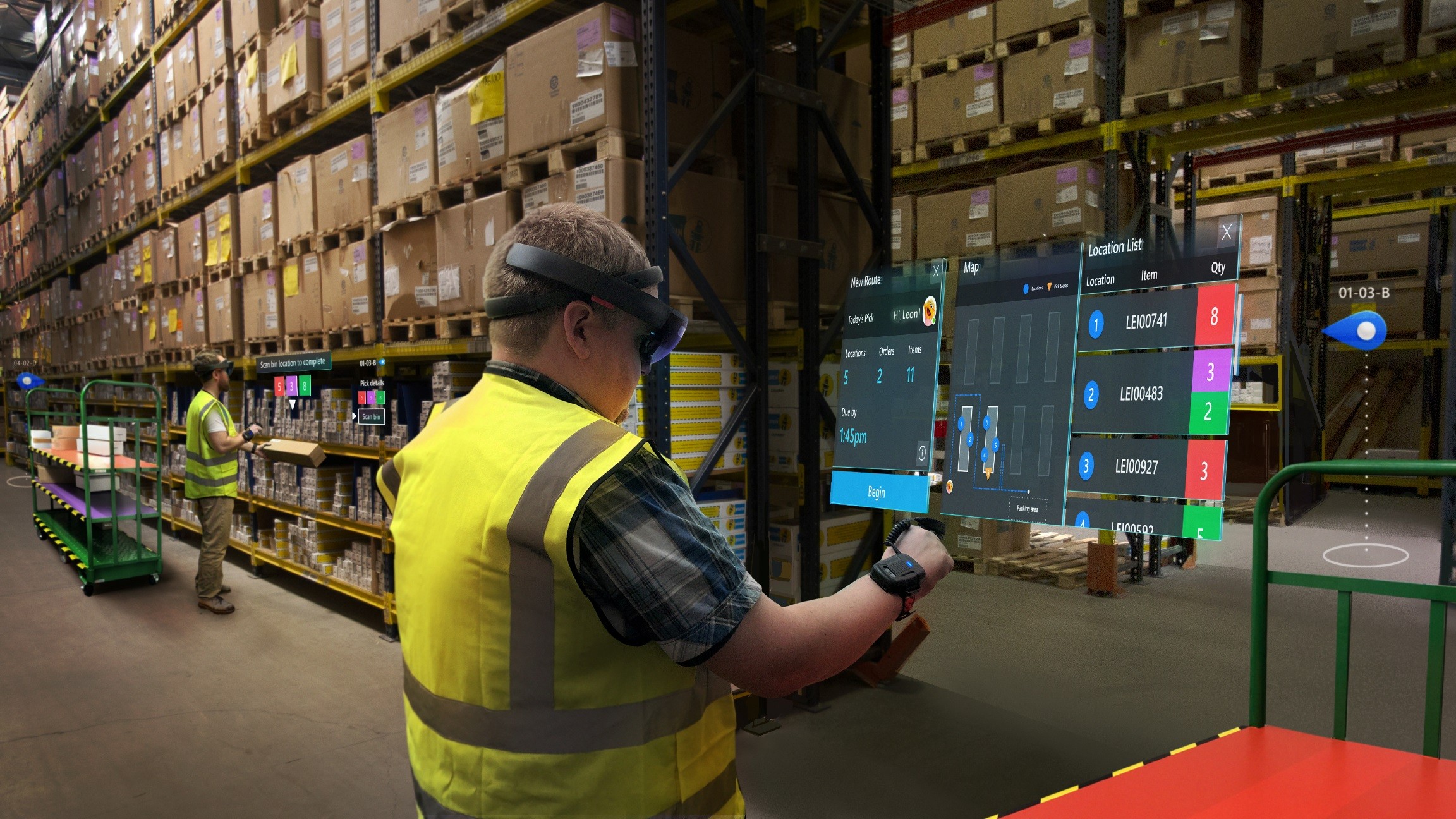
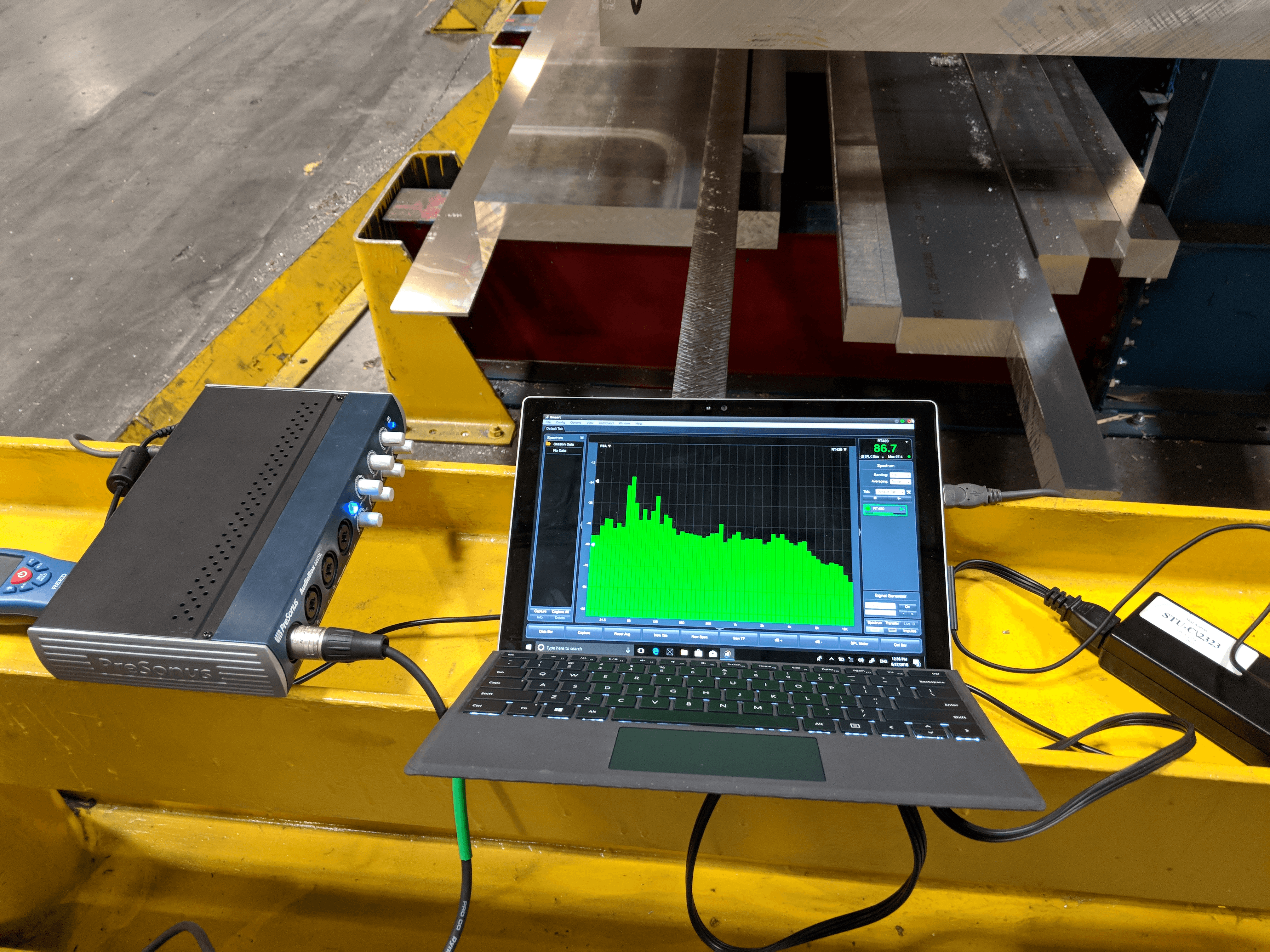
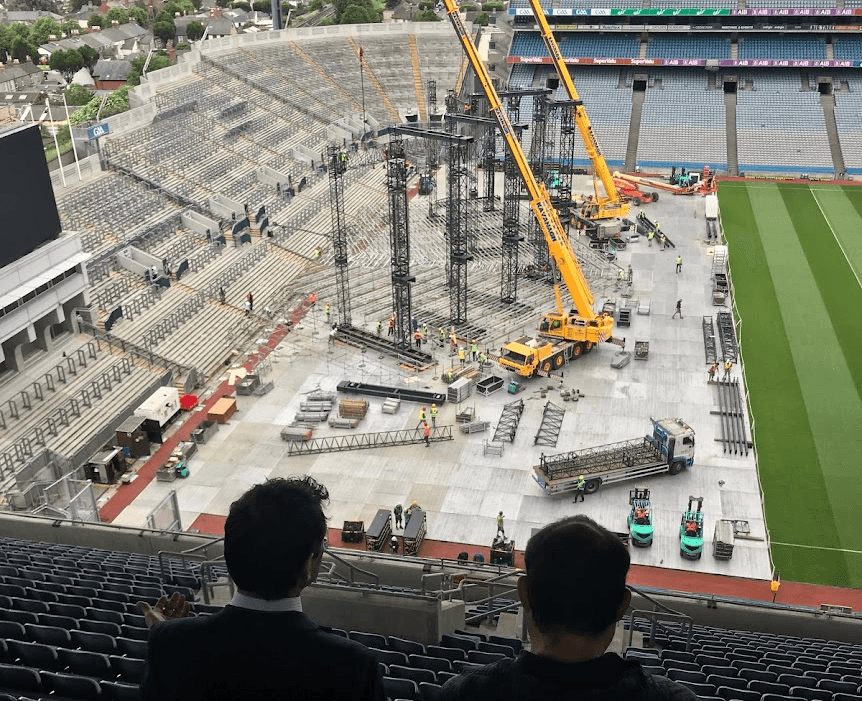
Working with an aerospace manufacturing partner, we deployed prototype hardware, built anomaly detection using isolated forest models, monitored decibel levels in real time, and created a preventative maintenance system for saw blade failure before it happened. The equipment stayed on. The workers stayed safer.
The studio we built to prove this idea became the foundation for what came next.
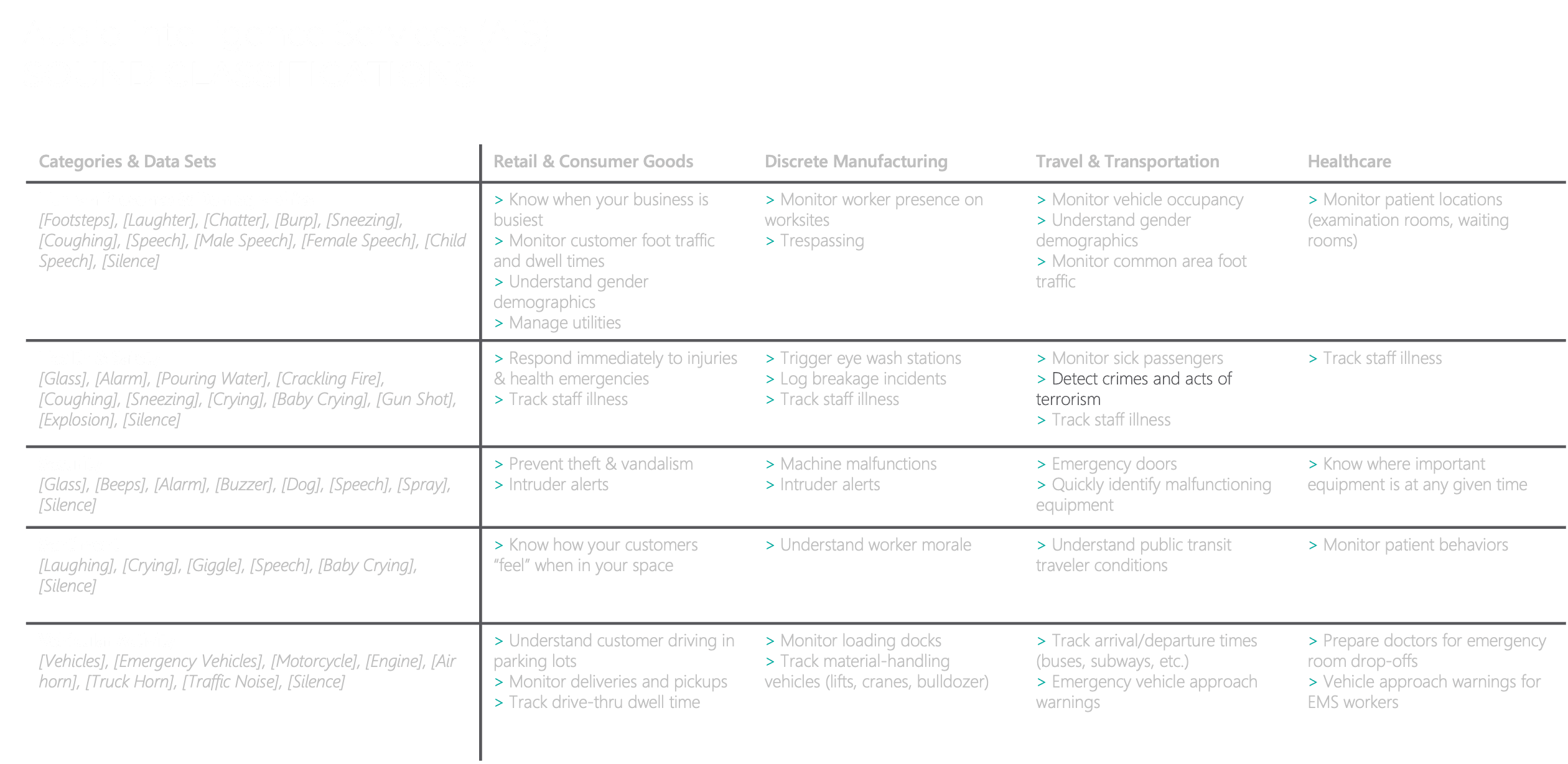
This project began as a personal observation about smart home devices that never spoke to each other, and a question about what would happen if they did. I took that instinct to our CVP, built the case for a new studio, and led every phase of the work from site visits and needs synthesis, to prototype hardware builds, to white-glove deployment with our private preview partner. The work directly led to my next engagement leading the first official Dynamics 365 Mixed Reality project. The Azure Audio Intelligence Services team supported five pillars with robust solutions that widened how Microsoft defined "ambient computing".
year
2018
timeframe
1 year
role
Design Director
company
Microsoft
01
02
03
04
05
06
07
08
09
010