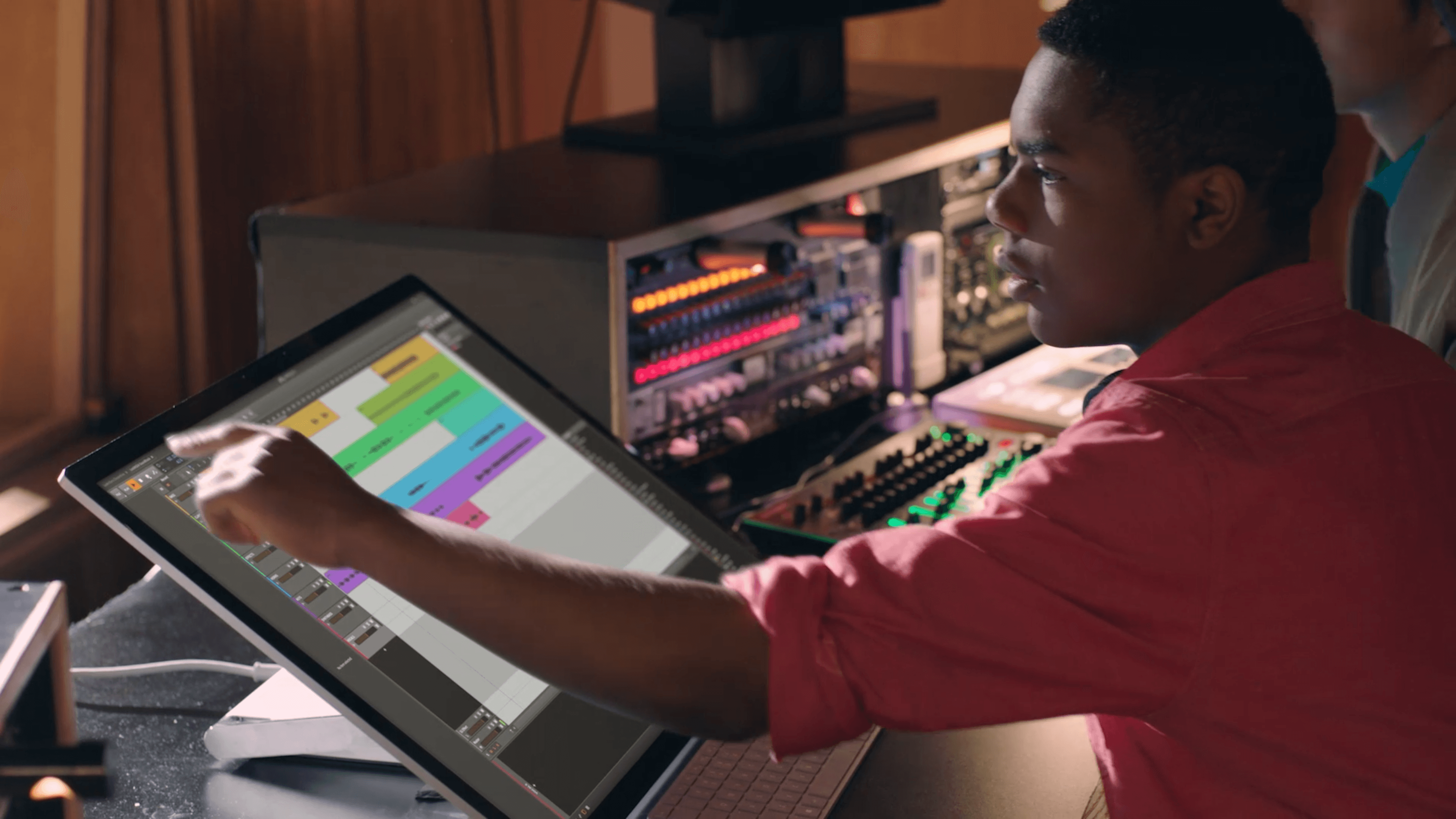
meta vr glasses
leading design of an AI-native mixed reality platform, from pre-commit to device funding
Overview
The hardest problems in product design are about direction under uncertainty. When I joined this program, the hardware wasn’t defined. Sensing constraints were unknown. Compute budgets kept shifting. And AI-mediated mixed reality had no prior design to borrow from.
So the job was bigger than crafting a great experience. I had to define what a great experience even means while the medium was being invented in parallel, and build it to absorb change as the hardware evolved underneath the software.
Single-threaded design owner
I was the sole design owner for the full software experience: system architecture, AI interaction models and cross-device platform behaviors, from the earliest concept work through EVT and DVT. I stayed hands-on at every critical inflection point, pulled designers onto the program to form the core team, and led the hand-off of the vision to product teams.
De-risking the unknown before it became expensive
The most dangerous moment in a new hardware program comes before anyone commits. Assumptions get baked into hardware that can’t be undone later. My job was to surface those assumptions early and stress-test them through design, on two tracks running at once.
TRACK 1: UNDERSTANDING THE USER
I partnered closely with Product, Engineering, Research and Marketing to define our core personas and their reasons to buy, then mapped their journeys to find the hero use cases for the device.
We pivoted three times along the way, mostly because we kept trying to serve too many personas at once. I proposed a full rework of our market segmentation to reach beyond the early-adopter audience we’d started with. With that new data, I rewrote every user journey with a sharper focus on differentiation and mass adoption. That work became the product vision.
A strong vision doesn’t need rewriting. Mine made it from the first sketch to the stage almost untouched.
TRACK 2: RAPID PROTOTYPING
In parallel, I ran several rapid prototyping cycles built to de-risk our AI interaction assumptions early. Each one was a structured experiment with concrete questions to answer: how would sensing, compute limits and latency shape what was possible at the interaction layer?
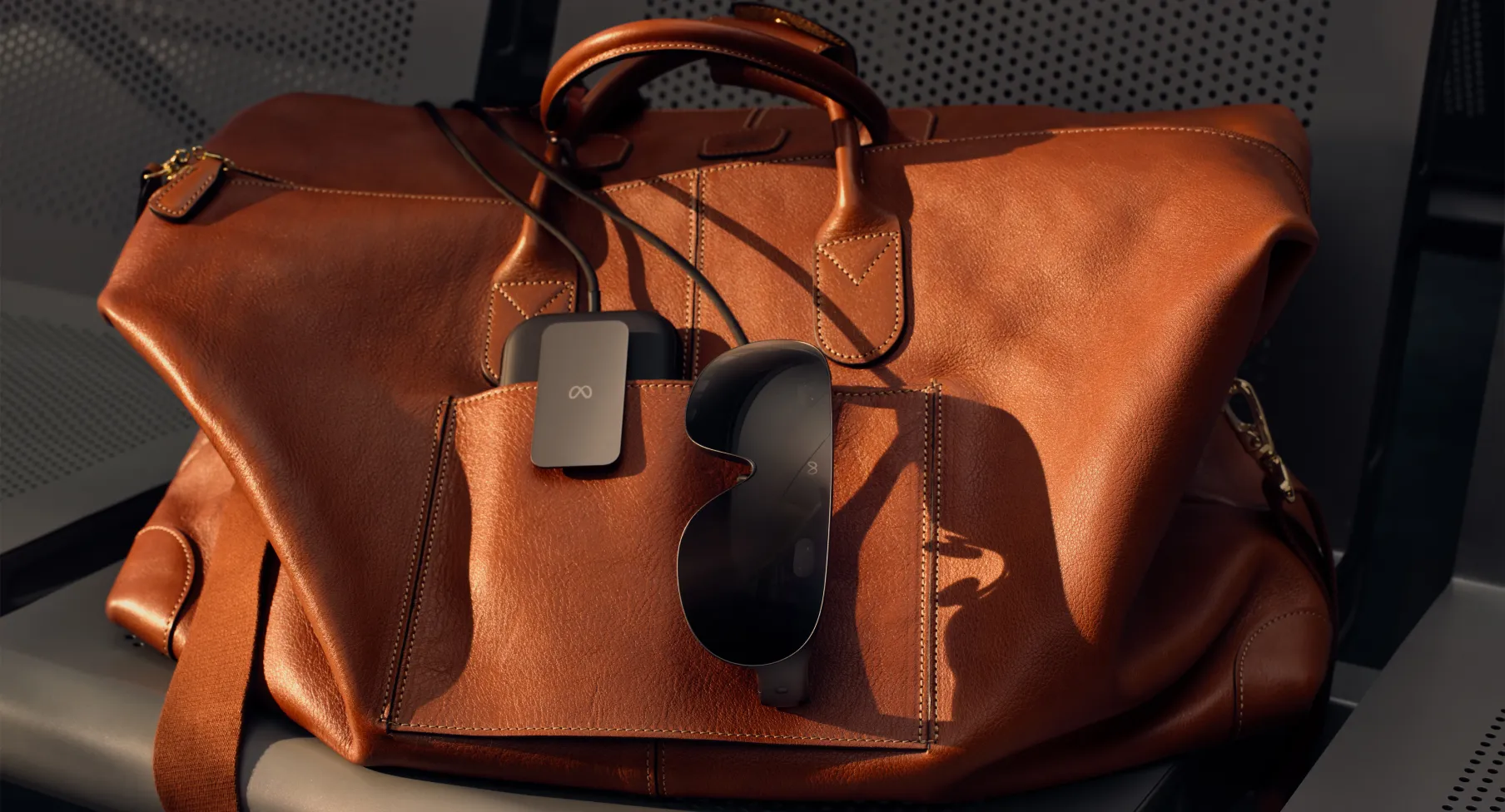
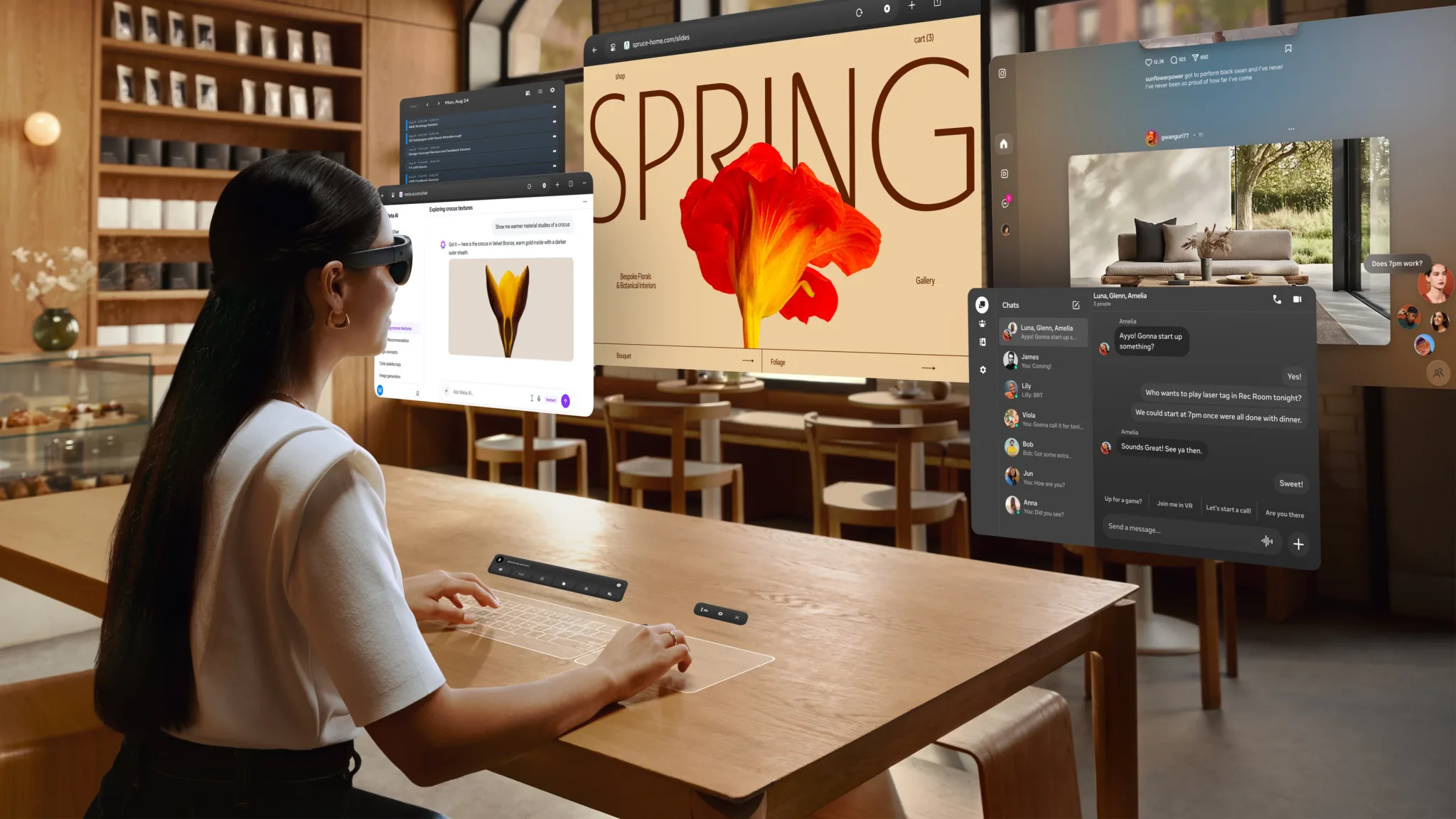
I can’t show you that work. What I can show you is where it ended up: Meta VR Glasses, announced at Connect in September 2026.
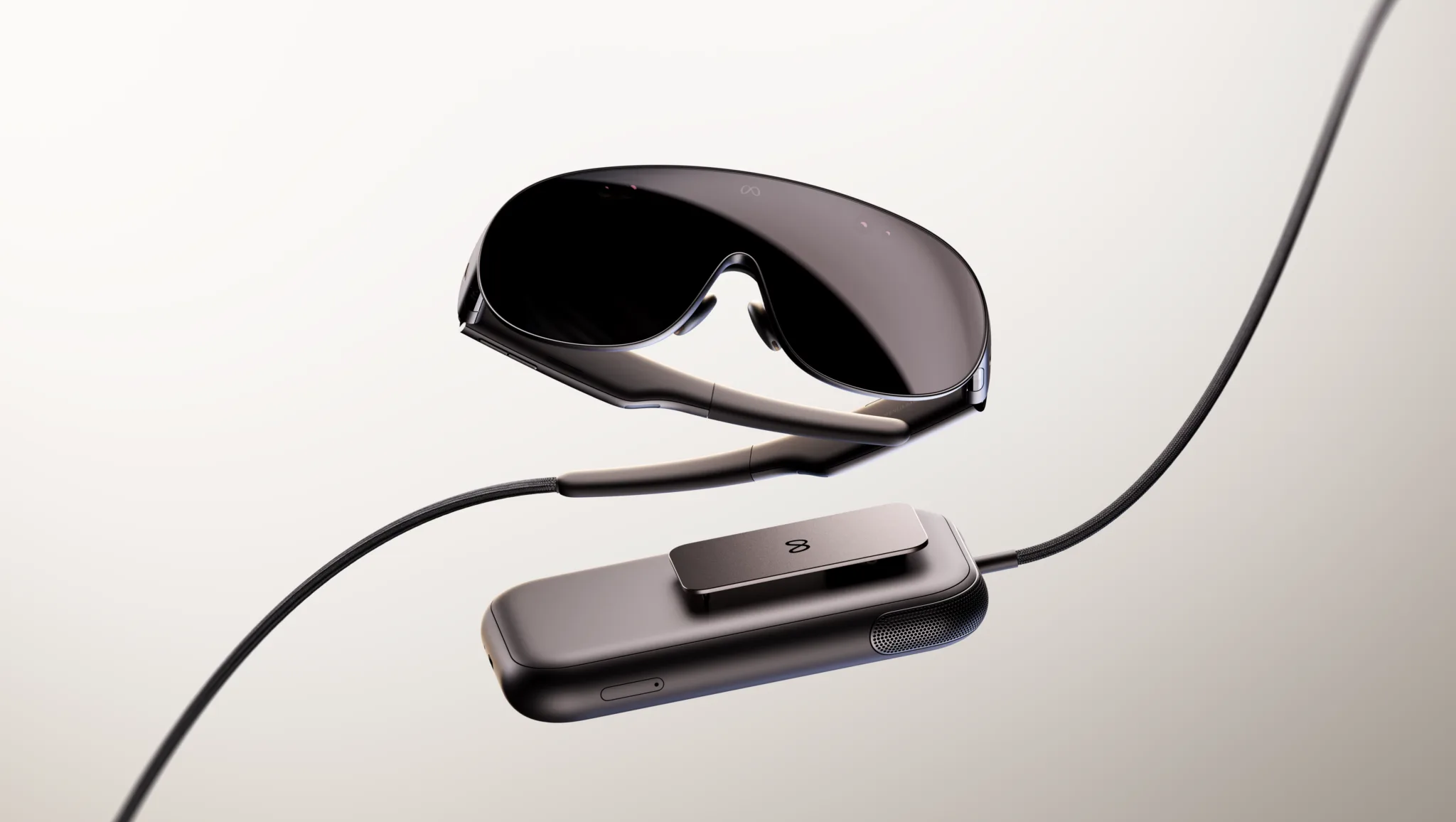
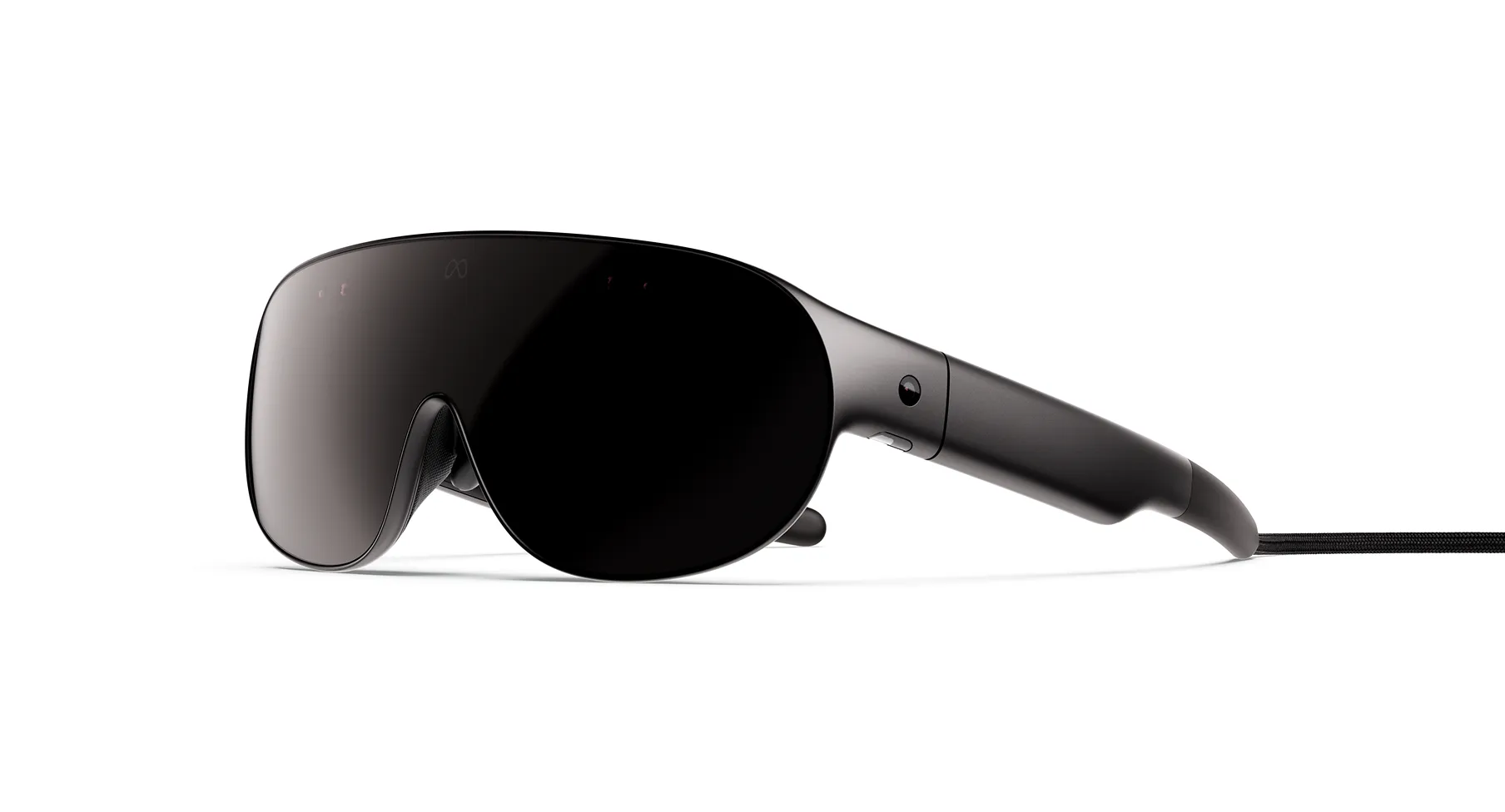
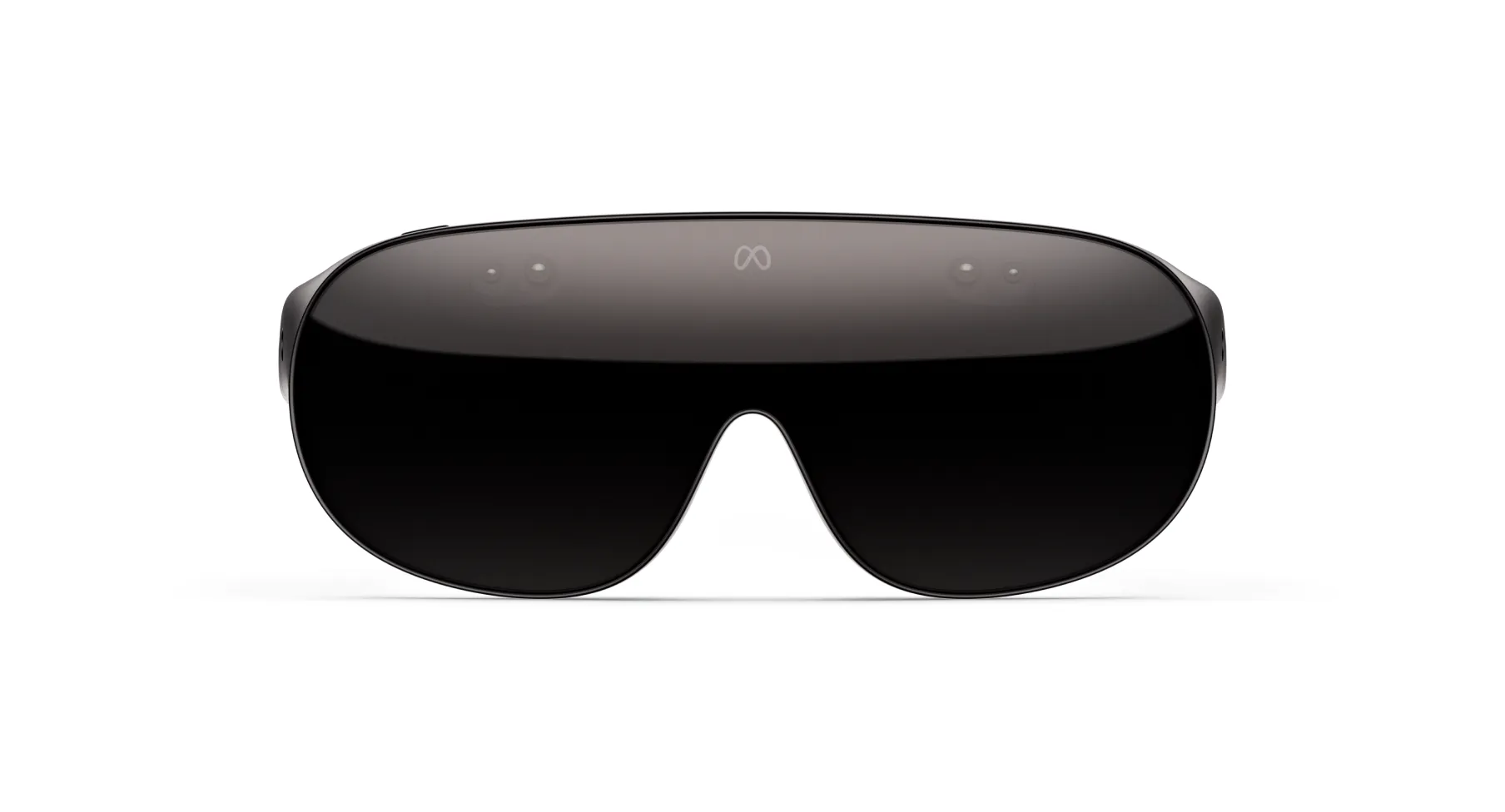


From blank page to the Connect stage
At this phase of a program, shipped pixels aren’t the metric. What matters is whether the product earns the right to exist at all, and whether the vision survives the years it takes to get there. This one did both.
1,000+person org aligned across product, engineering, research & hardware | 30+designers & emerging managers mentored across Reality Labs |
Platform foundations
Alongside the device work, I set the foundational experience principles and quality bars for Horizon OS, giving the org a shared definition of what “right” looks like and cutting down on platform fragmentation. Work that starts as design principles tends to become platform policy. That’s by design.
year
2026
timeframe
2 years
role
Lead Design Director
company
Meta
01

02

03
04

05

06

07

08